When I first started my career as a branch shredder supplier, I didn’t realize how many customers would walk into my shop or call me asking the same question: “How heavy should my shredder be to make sure it doesn’t tip over mid-job?” At the time, I’d nod along, answer that weight matters, and move on to talking about engine power or cutting capacity. But a few years in, I learned that a machine’s weight isn’t just a number on a spec sheet—it’s the backbone of its stability, and getting that balance right can mean the difference between a smooth day working in a customer’s yard and a frustrating, dangerous mess. I want to break this down not just as someone who sells shredders, but as someone who’s watched customers bring back machines that tipped over on uneven ground, or struggle to haul a lightweight model up a sloped driveway, only to find it sliding sideways. Let’s talk about how a branch shredder’s weight actually affects its stability. Branch Shredder
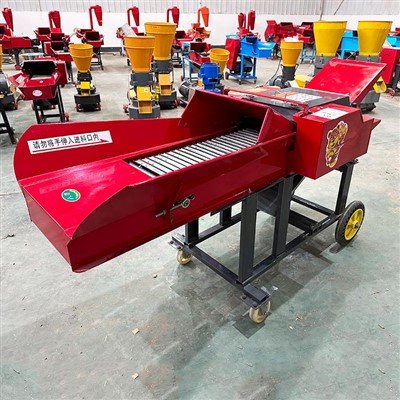
First, let’s get one basic physics term out of the way that I actually used to mix up with my old high school science class: center of gravity. That’s the point where the entire weight of the machine seems to balance out, right in the middle if it’s sitting evenly on level ground. For a branch shredder, that center of gravity is determined by two main things: how much the machine weighs overall, and how high that weight is off the ground. Let’s say you have two shredders—both have a 15-horsepower engine and a 6-inch cutting capacity, but one is 350 pounds and the other is 550 pounds. The lighter one might have its heavy engine and cutting assembly sitting higher up to save material, while the heavier one has a thicker steel frame that runs lower to the ground. When that lighter shredder hits a small bump in a customer’s driveway or a patch of soft, wet grass, its high center of gravity means it tilts more easily. I’ve seen a customer in Ohio who used a 350-pound garden shredder last year; he was working on a sloped side yard, and when he fed a thick oak branch into the feed chute, the sudden jolt made the machine tip forward. He ended up with a scraped knee and a shredder that needed a bent feed chute, and all because that light machine didn’t have enough mass to stay grounded.
But it’s not just about being heavy. If a shredder is too heavy, it becomes almost impossible to move around a job site, especially for customers who don’t have a truck or a helper to lift it. I had a customer in Florida run into this last month. He bought a 700-pound industrial shredder for his small landscaping business, and he had to hire two guys with a dolly just to get it off his pickup truck. Once he got it to a backyard, he couldn’t wheel it over to the flower beds without repositioning the dolly three times, because the machine was so unwieldy. By the time he was ready to shred, he was already worn out, and the heavy machine was hard to adjust when he needed to shift it to avoid hitting a sprinkler head. The sweet spot here is a stable weight that’s matched to the shredder’s intended use. A small, electric shredder for residential use doesn’t need to be 500 pounds, but it should be heavy enough that it won’t bounce around when you feed branches, and it has a low center of gravity to keep it from tipping. A commercial shredder that’s going to be used on construction sites or large properties needs to be heavier, but not so heavy that it can’t be maneuvered when the job changes.
Another thing I’ve noticed working with hundreds of customers is that weight interacts with the type of ground a shredder is used on. Soft, muddy, or uneven ground is the biggest test of a shredder’s stability. A lighter shredder will sink into mud, which raises its center of gravity even more, making it way easier to tip. Last winter, a customer in Michigan bought a lightweight portable shredder to clear branches after a snowstorm, and he tried to use it on a grassy area that had melted and turned to slush. The machine sank 2 inches into the mud, tilted to one side, and jammed when he tried to feed a branch. He had to call a friend with a four-wheeler to pull the shredder out, and by the time he got it working, the day’s work was half gone. A heavier shredder distributes its weight over a larger area, right? Wait, no—actually, it’s about ground pressure. Heavier machines have lower ground pressure, so they don’t sink into soft ground as much. That’s a simple fact that I didn’t fully grasp until I started selling shredders. Light shredders with small tires have high ground pressure, so they dig into mud or grass, shifting their balance. Heavier shredders, even with similar-sized tires, push less into the ground, so they stay level longer.
Tire size plays into this too, even though people usually talk about tire size separately from weight. A heavier shredder with large, wide tires will have a bigger contact patch with the ground, which helps with stability. I often recommend that residential customers who live on uneven or hilly areas go for a shredder that’s at least 400 pounds, with 10-inch tires instead of the tiny 6-inch tires that come on some budget models. Those small tires look nice when the machine is sitting in a showroom, but they can’t handle even a small rock, and a lightweight model on small tires will tip over almost instantly if you hit that rock. I had a customer in Colorado tell me he bought a cheap shredder online, and within an hour of using it on his rocky property, it had tipped over three times. The machine was only 320 pounds, with 6-inch tires, and every little rock threw its high center of gravity off. He ended up trading it for a shredder from our line that’s 450 pounds, with 10-inch tires, and he hasn’t had a problem since.
Now, let’s talk about the flip side: when weight becomes a problem. I mentioned that Florida customer with the 700-pound shredder, but I’ve heard even more complaints about commercial customers who ordered machines that were way too heavy for their needs. Last year, a landscaping company in Texas bought a batch of shredders that were designed for heavy-duty construction work, but they were using them for residential yards. Each one was 800 pounds, and their crew couldn’t carry them over curbs, lift them into pickup trucks, or even move them around a small backyard without a forklift. They ended up storing the shredders on their trucks all the time, which increased wear on the trucks and made them less efficient. The issue here is that manufacturers (and suppliers, like me, for a long time) would just add more steel to make a machine feel sturdy, without thinking about the end user’s ability to move it. That’s why I started testing every shredder we sell for “portable stability”—a metric we came up with that balances weight, center of gravity height, and tire size. A 500-pound shredder with a low center of gravity and 10-inch tires is way more stable and more portable than a 650-pound shredder that has its heavy engine sitting 3 feet off the ground.
I also want to mention something that’s not talked about enough when it comes to branch shredders: the dynamic weight. That’s the weight of the machine when it’s in use, right when you feed a thick branch or when the shredder’s blade spins at full speed. When a branch hits the cutting blades, there’s a sudden, brief jolt that can throw a lightweight machine off balance. A heavier machine has more mass to absorb that jolt, so it stays in place. I tested this myself last year, when I borrowed two shredders to do a demo for a customer. The first was a 380-pound residential model; when I fed a 3-inch oak branch into it, the machine shifted 6 inches to the right. The second was a 520-pound commercial model from our line; when I fed the same branch, it only shifted 1 inch, and it didn’t wobble at all. That dynamic stability is just as important as static stability (how the machine sits on level ground) because that’s what happens every single time you use the shredder.
Another example: I had a customer in Oregon who runs a small tree service. He was using a lightweight shredder for small jobs, but when he took on a job cutting down a few large trees, the machine kept tipping when he fed thick branches. He started having to have two guys hold the shredder while he worked, which cut into his profits. He switched to a 600-pound shredder with a low center of gravity, and he told me that after that, he could run the machine alone, and his job time went down by 20 percent. That’s a direct result of good weight and good stability. Heavier machines don’t just stay upright—they let the operator work faster and safer, because they don’t have to worry about balancing the machine every time they feed a branch.
I want to make it clear that this isn’t about pushing customers to buy the heaviest shredder on the market. It’s about matching the weight to what the customer actually needs. If someone only has a small, flat backyard and is shredding small branches from their oak tree, a 350-pound electric shredder with a low center of gravity is perfect. It’s light enough to move around, stable enough for flat ground, and it will do the job without any issues. But if a customer is a landscaper who works on sloped yards, rocky ground, or does larger jobs with thick branches, they need a heavier machine. I’ve had customers try to save money by buying a lightweight shredder for commercial work, and they always come back later asking to trade up for a heavier, more stable model. It’s one of the most common repeat requests I get, and it all comes down to stability.
What I’ve learned over the years is that weight is a compromise, not a single number. It’s a balance between being stable enough to stay upright on different types of ground and absorb dynamic loads, and being portable enough to move around a job site, load onto a truck, and store in a garage or shed. A lot of budget shredders cut corners here—they use thin steel frames to save money, make the center of gravity high to keep the overall weight low, and put tiny tires on. That works for a demo in a showroom, but it fails the second the machine is used in real-world conditions. The shredders we supply are designed with this balance in mind: we test each model’s center of gravity, adjust the frame so the engine and cutting parts sit as low as possible, and size the tires to match the weight of the machine. We also label each shredder with the recommended use case, so a residential customer knows what to expect and a commercial customer gets the right machine for their jobs.
I also think it’s important to talk about what happens when stability is ignored, not just in terms of frustration, but in terms of safety. Tipping shredders don’t just damage the machine—they can cause serious injury. I remember a story a customer told me a few years ago: he was using a lightweight shredder to clear branches for his church, and when he fed a thick branch, the machine tipped over, and the feed chute hit his leg. He spent a week in the hospital, and the shredder was totaled. That’s the kind of story that sticks with me, and it’s why I make sure every customer understands how weight and stability work before they buy a shredder. It’s not just about getting a machine that works—it’s about getting one that keeps you safe while you work.
So, if you’re in the market for a branch shredder, don’t just look at the engine size or cutting capacity. Ask about the weight, but also ask how that weight is distributed. Find out where the center of gravity is, what size tires it has, and what type of ground it’s designed to work on. If you’re a residential user with a small, flat yard, a lighter model will work fine, but make sure it’s not so light that it wobbles or shifts when you feed branches. If you’re a commercial user, or you work on uneven, sloped, or soft ground, don’t skimp on weight—invest in a model that’s heavy enough to stay stable, but not so heavy that you can’t move it.
At the end of the day, a branch shredder is a tool, just like a chainsaw or a lawn mower. The best tools aren’t the biggest or the heaviest—they’re the ones that fit the job. For years, I saw customers make the mistake of choosing a shredder based on price or spec sheet numbers, only to regret it when they realized the machine wasn’t stable enough for their needs. That’s why I make it a point to talk through each customer’s specific situation: where they’ll be using the shredder, how big the branches are, how often they’ll use it, and how much they need to move it around. That conversation is way more important than just telling them the shredder weighs X pounds.
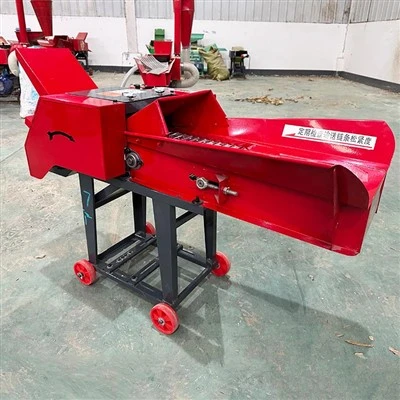
If you’ve been shopping for a branch shredder and you’re not sure which one is right for you, I’m here to help. I can walk you through the differences in weight, stability, and usability for each of the models we supply, so you can make an informed decision that fits your jobs and your budget. Whether you’re a homeowner with a few trees or a commercial landscaper with a whole crew, I’ll make sure you get a shredder that’s stable, safe, and works as hard as you do. Reach out to us to talk through your needs, and we can find the perfect shredder for you.
Grass Shredder References:
- American Society of Agricultural and Biological Engineers. (2020). Safety Standard for Agricultural Shredders and Chippers. ASABE S346.
- Occupational Safety and Health Administration (OSHA). (2019). Machine Guarding for Forestry and Agriculture Equipment. OSHA 3221-06R.
- Agricultural Engineering Department, University of California, Davis. (2018). Stability Characteristics of Portable Wood Chippers and Shredders. California Agriculture Journal.
- National Association of Landscape Professionals. (2021). Equipment Selection Guide for Residential and Commercial Landscaping. NLP Publication 101.
- International Organization for Standardization. (2022). Forestry Machinery – Safety Requirements for Chippers, Shredders and Combination Machines. ISO 19866.
Zhengzhou Xinyihaotong Machinery Manufacturing Co., Ltd.
As one of the most professional branch shredder manufacturers in China, we also support custom service. We warmly welcome you to buy high quality branch shredder for sale here from our factory. For price consultation, contact us.
Address: Rooms 2301–2312, Jiayi Building, Xinxiang City, Henan Province, China
E-mail: zhaoyixuan5566@gmail.com
WebSite: https://www.xyhtmachinery.com/
