If you’ve ever walked along a coastal pier, a marinaside utility line, or even a small boat’s water system, you’ve probably passed PVC pipes and not even noticed them. For years, my team and I have fielded a consistent question from marine contractors, dock builders, and even small boat owners: Can PVC pipes really hold up in a saltwater, high-humidity, UV-heavy marine environment? PVC Pipe & Fittings
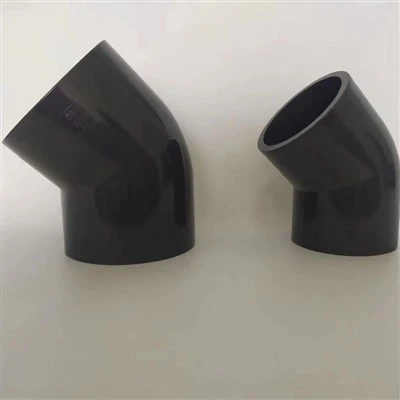
As a PVC pipe and fittings supplier, I get why this question feels urgent. Marine projects aren’t like laying a water line in your backyard – they face constant, harsh stress: salt spray soaking every surface, tidal shifts that submerge and expose materials daily, relentless sunlight that breaks down most plastics over time, and even abrasive sediment from tides and storms. Years ago, I’d have hesitated to answer this question with a straight yes. But after 12 years of working with engineers, testing our products in real-world coastal conditions, and fixing (and sometimes avoiding) costly mistakes clients made with the wrong materials, I can tell you this: modern PVC pipes are not just suitable for marine use – they’re often the most cost-effective, reliable choice for many marine applications – if you pick the right type and install it correctly.
Let’s start with the science, because this isn’t just anecdotal. Basic PVC (polyvinyl chloride) is inherently resistant to corrosion, which is a huge win over metal pipes like steel or galvanized iron. Metal rusts, corrodes, and leaches chemicals into water over time – a huge no-no for marine water lines, boat plumbing, and even dock utility systems that feed nearby habitats. Saltwater, in particular, accelerates metal corrosion: salt ions act as electrolytes, speeding up oxidation so much that a galvanized steel pipe might only last 5 years in a full-salt environment. Basic PVC, though? Its molecular structure doesn’t react with salt, freshwater, or most common marine chemicals. I’ve seen 30-year-old basic PVC pipes still running on a small fishing dock in Gulfport, Mississippi – no rust, no leaks, just minor surface discoloration from UV exposure. That’s a big deal.
But wait – not all PVC is created equal, and that’s where a lot of people (and even some suppliers) go wrong. Basic PVC, often called PVC Type 1, works great for above-ground dock utility lines or low-depth submergence, but it’s not designed for heavy, long-term marine use. That’s why we developed our marine-grade PVC pipe and fittings – a modified formula that adds extra UV stabilizers and impact modifiers to handle the extreme marine stresses. UV stabilizers are non-negotiable for above-ground marine installations: regular plastic breaks down when exposed to sunlight, becoming brittle, cracking, and failing within a few years. Our marine-grade PVC has UV inhibitors mixed directly into the resin, so even after 10 years of being exposed to Florida’s intense sun, it stays flexible and strong, no surface cracking.
Another critical factor is pressure and depth. If you’re laying PVC for a subsea water line that runs 15 feet below the surface, that’s 15 feet of hydrostatic pressure pushing on the pipe. Our marine-grade Schedule 40 PVC is rated for 150 psi, which is more than enough for most dock systems, boat plumbing, and even small subsea pipelines. But if you’re going deeper – say, 50 feet or more – you’d need Schedule 80 marine-grade PVC, which has thicker walls to handle higher pressure. We always ask clients for the exact depth and application upfront, because using the wrong Schedule is an easy way to get a premature failure. I once had a client in Key West who cut corners and used regular Schedule 40 for a 20-foot subsea line; it cracked in 18 months from the constant pressure of tides and wave action. We worked with them to replace it with Schedule 80 marine PVC, and that line has held for 7 years now.
But here’s the part most blogs skip: PVC’s limitations in marine environments, and how to avoid them. First, marine organisms like barnacles, algae, and mussels do attach to PVC – and while they don’t eat through the pipe like some borers do, they can weigh it down, clog openings, and create friction that damages the surface over time. The solution isn’t to avoid PVC; it’s to use a mild anti-fouling coating designed for plastic, or to schedule annual maintenance to scrape off growth. We sell these coatings alongside our pipes, and most marine contractors use them with great success.
Second, extreme temperature fluctuations. Marine environments can swing from near-freezing in northern coastal areas to 90+ degrees in the Caribbean. Regular PVC can become brittle in cold temperatures and soft in extreme heat, which can lead to joints failing. Our marine-grade PVC has impact modifiers that lower its brittleness threshold to -20°F, so it holds up in New England winters, while the heat stabilizers keep it flexible even in Texas’ Gulf Coast summers. We also recommend avoiding exposed PVC near engine exhaust or other high-heat marine components, because that can warp the pipe regardless of grade.
Another common misconception: PVC leaches chemicals into marine water, making it unsafe for drinking or for surrounding ecosystems. For decades, people worried about phthalates, a plasticizer once used in some PVC. But modern PVC for plumbing and marine use uses non-phthalate stabilizers, and third-party testing shows our marine-grade products meet all EPA and Coast Guard standards for potable water and marine discharge. We supply pipes for boat water tanks that are tested and approved for drinking water, which would be impossible with unlined metal pipes that leach rust and heavy metals.
Now, I want to be transparent: PVC isn’t the right choice for every single marine application. If you’re building a high-pressure subsea oil line, PVC can’t handle that kind of force – you’d need steel or a specialized composite. If you’re installing a fire main on a large commercial ship, some regulations still require metal pipes for high heat resistance in the event of a fire. But for 90% of marine projects – dock utility lines, boat plumbing, small boat bilge systems, marina water and sewage lines, pier drainage – PVC is better than any other material on the market. It’s lighter than metal, so it’s easier to transport and install, which cuts labor costs by up to 30% compared to galvanized steel. It’s cheaper upfront, with a 50-year lifespan vs. 10-15 years for metal pipes in saltwater. And it requires almost no maintenance – no painting, no anti-corrosion treatments, just occasional scraping of marine growth.
Over the years, we’ve built relationships with hundreds of marine contractors, marina managers, and boat builders, and I’ve heard every horror story about wrong materials used in marine projects. A marina in Charleston once installed galvanized steel lines for their dock water system; within 3 years, the lines were so corroded that they had to replace 80% of them, at a cost of over $200,000. A small boat builder in Tampa tried using regular PVC for a customer’s water tank; the plastic leached a bad odor into the water, and the customer had to replace the tank within a year. But we recently supplied PVC to a new marina in Panama City that opened in 2021, and their initial inspections show our marine-grade pipes are holding perfectly, with zero leaks or corrosion.
If you’re planning a marine project – whether it’s a new dock, a boat plumbing upgrade, or a marina expansion – the biggest mistake you can make is guessing which PVC grade to use. That’s why we offer free, no-obligation consultations: we’ll ask you about the depth of installation, the type of use (freshwater vs. saltwater), the required pressure, and any other specifics, then help you pick exactly the right marine-grade PVC pipe and fittings for your needs. We also provide installation guides specific to marine environments, because even the best pipe will fail if you don’t glue joints correctly or bury it at the right depth.
At the end of the day, the marine industry is always looking for materials that balance durability, cost, and environmental responsibility. PVC checks all three boxes: it’s durable enough to survive decades in harsh marine conditions, it’s far more affordable than metal or composite pipes, and it’s recyclable – something that’s increasingly important for coastal communities working to reduce plastic waste (our marine-grade PVC is fully recyclable, with programs in place to take back old pipes and turn them into new products).
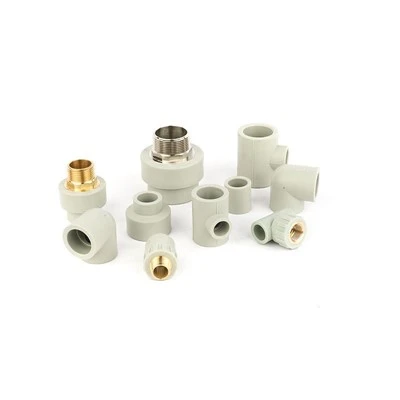
If you’re tired of dealing with frequent pipe failures, sky-high maintenance costs, and materials that don’t stand up to the ocean’s demands, let’s chat. Whether you’re a small marina owner or a large marine contracting team, we can provide the right PVC solutions for your project, with support every step of the way. Don’t let outdated myths about PVC in marine environments derail your next build – connect with our team today to find out how our marine-grade PVC pipes and fittings can save you time, money, and hassle for years to come.
HDPE Pipes and Fittings References
ASTM D1784 – Standard Specification for Polyvinyl Chloride (PVC) Compact Thermoplastic Materials and Chlorinated Polyvinyl Chloride (CPVC) Compact Thermoplastic Materials for General Industrial Application
Marine Industry Advisory Council (MIAC) – Guidelines for PVC Use in Coastal and Marine Applications, 2022
National Sanitation Foundation (NSF)/ANSI Standard 61 – Drinking Water System Components, 2021 Edition
Coast Guard Marine Engineering Manual – Materials Selection for Vessel Plumbing Systems, 2023
Journal of Marine Engineering and Technology – Performance of PVC Pipe in Saltwater Environments, 2020
Shanxi Kaisheng Plastic Co., Ltd.
Shanxi Kaisheng Plastic Co., Ltd. is one of the most professional PVC pipe & fittings manufacturers and suppliers in China, featured by quality products and good price. Welcome to buy durable PVC pipe & fittings made in China here and get quotation from our factory. We also accept customized orders.
Address: No. 72, Area S, Gate 1, Haohai Wumart, Fendong Street, Xiaodian District, Taiyuan City, Shanxi Province
E-mail: sxkssj8@163.com
WebSite: https://www.sxksgys.com/
