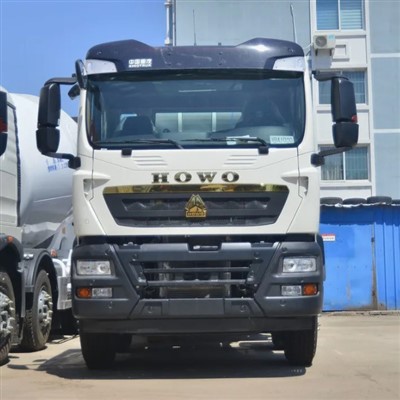
As a supplier of transit mixers, I understand the pivotal role that mixing performance plays in the quality of concrete. Whether it’s for small – scale construction projects or large – scale infrastructure developments, achieving a homogeneous mixture of concrete is of utmost importance. In this blog, I’ll share some effective strategies to improve the mixing performance of a transit mixer. Transit Mixer
1. Select the Right Mixer Configuration
The first step in enhancing mixing performance is to choose the appropriate transit mixer configuration. Different projects have different requirements for concrete production. For example, if you’re working on a project that demands a high volume of concrete in a short time, a large – capacity transit mixer would be a better choice. These mixers typically have a larger drum volume, which allows for more concrete to be mixed at once.
However, it’s not just about the size. The design of the drum also matters significantly. Transit mixers with a spiral blade design inside the drum provide better mixing action. The spiral blades help to continuously lift, turn, and tumble the concrete materials as the drum rotates. This ensures that all the components, including cement, aggregates, and water, are thoroughly combined. Our company offers a range of transit mixers with different drum sizes and blade configurations to meet the diverse needs of our customers.
2. Optimize Loading Procedures
Proper loading procedures are crucial for improving mixing performance. One common mistake is over – loading the transit mixer. When the drum is filled beyond its recommended capacity, the mixing action is hindered. There isn’t enough space for the materials to move freely and mix properly. This can lead to uneven mixing and a lower – quality concrete product.
It’s also important to load the materials in the correct order. Generally, we recommend loading aggregates first, followed by cement and then water. Loading the aggregates first provides a good base for the other materials and helps to break up any clumps. Cement should be added next to ensure it is evenly distributed throughout the aggregates. Finally, water is introduced to initiate the hydration process. By following this order, we can ensure that the materials are mixed more effectively.
3. Control Mixing Time
Mixing time is a critical factor that directly affects the quality of the concrete. If the mixing time is too short, the materials won’t be fully combined, resulting in a non – homogeneous mixture. On the other hand, over – mixing can lead to excessive wear on the drum and blades, as well as potential changes in the properties of the concrete.
The optimal mixing time depends on several factors, such as the type of concrete, the size of the transit mixer, and the rotation speed of the drum. For most standard concrete mixtures, a mixing time of 5 to 10 minutes at a normal rotation speed is usually sufficient. However, for specialty concretes or mixtures with high – strength requirements, the mixing time may need to be extended. Our company provides detailed guidelines on mixing times for different types of concrete to help our customers achieve the best results.
4. Regular Maintenance
Regular maintenance is essential for ensuring the long – term mixing performance of a transit mixer. One of the key maintenance tasks is to keep the drum and blades clean. Over time, concrete residues can build up on the inner surface of the drum and the blades. This not only reduces the mixing efficiency but also increases the wear and tear on these components.
We recommend cleaning the drum and blades after each use. This can be done by adding a small amount of water to the drum and allowing it to rotate for a few minutes. Then, the water can be drained, taking away the loose concrete particles. In addition to cleaning, it’s also important to regularly inspect the drum, blades, bearings, and other components for signs of wear or damage. Any worn – out parts should be replaced promptly to prevent further problems.
5. Adjust Rotation Speed
The rotation speed of the transit mixer drum has a significant impact on the mixing performance. A higher rotation speed can increase the turbulence inside the drum, which helps to improve the mixing efficiency. However, if the rotation speed is too high, it can cause the concrete to splash out of the drum and also increase the wear on the components.
On the other hand, a very low rotation speed may not provide enough mixing action. It’s important to find the optimal rotation speed based on the type of concrete and the size of the mixer. In general, for normal concrete mixing, a rotation speed of 12 to 18 revolutions per minute (RPM) is appropriate. Our transit mixers are equipped with adjustable speed controls, allowing operators to fine – tune the rotation speed according to their specific needs.
6. Incorporate Additives Wisely
Additives can play an important role in improving the mixing performance and the overall quality of the concrete. For example, water – reducing agents can increase the workability of the concrete without adding excessive water. This helps to achieve a more homogeneous mixture and also improves the strength and durability of the concrete.
Air – entraining agents can introduce tiny air bubbles into the concrete, which improves its freeze – thaw resistance and workability. However, it’s important to use additives in the correct dosage. Over – using additives can lead to negative effects on the concrete properties. Our company offers guidance on the proper use of additives based on different project requirements.
7. Operator Training
Even with the best – designed transit mixers and proper procedures, the performance of the mixer ultimately depends on the operator. Well – trained operators are more likely to follow the correct loading, mixing, and maintenance procedures. They can also quickly identify and address any issues that may arise during the mixing process.
We provide comprehensive training programs for our customers’ operators. These programs cover everything from the basic operation of the transit mixer to advanced troubleshooting techniques. By ensuring that operators are well – trained, we can significantly improve the mixing performance of our transit mixers.
Looking for a Solution? Contact Us!
Cement Mixer Truck If you’re in the market for a transit mixer or need to improve the mixing performance of your existing equipment, we’re here to help. Our team of experts has extensive experience in providing high – quality transit mixers and solutions tailored to your specific needs. Whether you’re a small construction company or a large – scale developer, we can offer the right advice and products to ensure the success of your projects. Feel free to reach out to us for a detailed discussion on how we can help you achieve better mixing performance.
References
- Neville, A. M. (1995). Properties of Concrete. Pearson Education Limited.
- ACI Manual of Concrete Practice. (2019). American Concrete Institute.
- Kosmatka, S. H., Panarese, W. C., & Wilhelm, M. J. (2002). Design and Control of Concrete Mixtures. Portland Cement Association.
Shandong Fuxin Automobile Technology Co., Ltd.
We’re well-known as one of the leading transit mixer manufacturers and suppliers in China, featured by quality products and good price. Please rest assured to buy advanced transit mixer made in China here from our factory. Contact us for more details.
Address: West of Nanshou Road, Beihai Road, Weifang City, Shandong Province
E-mail: h17616861003@gmail.com
WebSite: https://www.fuxinautomobile.com/
