As a supplier in the laser welding machine industry, one question that frequently comes up from our customers is about the energy consumption of these machines. Understanding the energy consumption of a laser welding machine is crucial for businesses, as it directly impacts operational costs, environmental sustainability, and overall efficiency. In this blog post, I will delve into the factors that influence the energy consumption of laser welding machines, how to calculate it, and some tips on reducing it. Laser Welding Machine
Factors Influencing Energy Consumption
Laser Source Type
The type of laser source is one of the most significant factors affecting energy consumption. There are several types of laser sources commonly used in laser welding machines, including fiber lasers, CO2 lasers, and solid – state lasers.
Fiber lasers are known for their high energy efficiency. They can convert a higher percentage of electrical energy into laser light compared to other types. This is because fiber lasers have a more efficient pumping mechanism, where the laser medium (optical fiber) is pumped with high – power diode lasers. The energy conversion efficiency of fiber lasers can range from 25% to 40%, which means that a relatively large portion of the electrical energy is actually used for the welding process.
CO2 lasers, on the other hand, are less energy – efficient. Their energy conversion efficiency typically ranges from 10% to 20%. The main reason for their lower efficiency is that they use a gas mixture (carbon dioxide, nitrogen, and helium) as the laser medium, and the process of exciting the gas molecules to produce laser light requires a significant amount of energy.
Solid – state lasers, such as neodymium – doped yttrium aluminum garnet (Nd:YAG) lasers, have an energy conversion efficiency of around 3% – 5%. These lasers use a crystal as the laser medium, and the pumping process to excite the atoms in the crystal is not as efficient as that of fiber lasers.
Laser Power
The power of the laser is directly proportional to its energy consumption. A higher – power laser welding machine will consume more energy than a lower – power one. For example, a 1000 – watt laser welding machine will consume more electricity per hour than a 500 – watt machine, assuming all other factors remain the same. However, it’s important to note that higher – power lasers are often used for thicker materials or faster welding speeds, which can lead to increased productivity. So, the choice between a high – power and a low – power laser depends on the specific welding requirements of the application.
Duty Cycle
The duty cycle of a laser welding machine refers to the ratio of the time the laser is actually emitting light to the total operating time. For example, a laser with a 50% duty cycle will be emitting light for half of the total operating time. A higher duty cycle means that the laser is operating for a longer period, which will result in higher energy consumption. Some applications may require a high – duty – cycle laser, such as continuous welding operations, while others can use a lower – duty – cycle laser, such as spot welding.
Auxiliary Equipment
In addition to the laser source, the auxiliary equipment of a laser welding machine also consumes energy. This includes cooling systems, control panels, and fume extraction systems. Cooling systems are particularly important for maintaining the stability of the laser source, as lasers generate a significant amount of heat during operation. Water – cooled systems are commonly used, and they require pumps to circulate the coolant, which consumes electricity. Fume extraction systems are necessary to remove the harmful fumes generated during the welding process, and they also consume energy to operate the fans.
Calculating Energy Consumption
Calculating the energy consumption of a laser welding machine is relatively straightforward. The basic formula for calculating energy consumption is:
[E = P\times t\times D]
Where:
- (E) is the energy consumption in kilowatt – hours (kWh)
- (P) is the power of the laser welding machine in kilowatts (kW)
- (t) is the operating time in hours
- (D) is the duty cycle (expressed as a decimal)
For example, if you have a 2 – kW laser welding machine with a 70% (or 0.7) duty cycle and it operates for 8 hours a day, the energy consumption per day can be calculated as follows:
[E=2\times8\times0.7 = 11.2\space kWh]
If you want to calculate the monthly or annual energy consumption, you simply multiply the daily consumption by the number of days.
Tips for Reducing Energy Consumption
Optimize Laser Parameters
By optimizing the laser parameters such as power, pulse duration, and frequency, you can achieve the same welding quality with lower energy consumption. For example, reducing the laser power slightly while increasing the welding speed may result in the same weld strength, but with less energy used. This requires some experimentation and understanding of the material being welded.
Use Energy – Efficient Components
When purchasing a laser welding machine, choose one with energy – efficient components. As mentioned earlier, fiber lasers are more energy – efficient than CO2 or solid – state lasers. Additionally, look for cooling systems and other auxiliary equipment that are designed to consume less energy.
Implement Scheduling and Automation
Scheduling the welding operations in a way that maximizes the machine’s usage and minimizes idle time can reduce energy consumption. For example, grouping similar welding jobs together can reduce the number of times the machine needs to be powered up and down. Automation can also help in this regard, as it can ensure that the machine operates at optimal conditions throughout the welding process.
Regular Maintenance
Regular maintenance of the laser welding machine is essential for ensuring its energy efficiency. This includes cleaning the laser optics, checking the coolant levels, and tightening any loose connections. A well – maintained machine will operate more efficiently and consume less energy.
The Importance of Understanding Energy Consumption
Understanding the energy consumption of laser welding machines is not only important for cost – saving purposes but also for environmental reasons. As the world becomes more conscious of the need to reduce carbon emissions, businesses are under increasing pressure to adopt more energy – efficient technologies. By using a laser welding machine with lower energy consumption, companies can reduce their carbon footprint and contribute to a more sustainable future.
In addition, energy – efficient laser welding machines can provide a competitive advantage in the market. Customers are increasingly looking for suppliers who can offer high – quality products while also being environmentally responsible. By demonstrating that your company is using energy – efficient equipment, you can attract more customers and enhance your brand image.
Conclusion
In conclusion, the energy consumption of a laser welding machine is influenced by several factors, including the laser source type, laser power, duty cycle, and auxiliary equipment. By understanding these factors, calculating the energy consumption accurately, and implementing energy – saving measures, businesses can reduce their operational costs and contribute to a more sustainable environment.
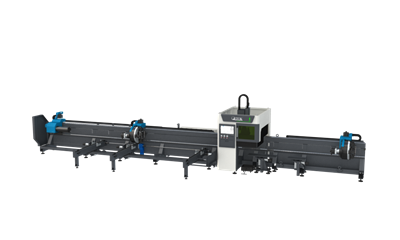
Tube Metal Laser Cutting Machine If you are interested in learning more about the energy consumption of our laser welding machines or are considering purchasing one for your business, we would be more than happy to discuss your specific requirements. Our team of experts can provide you with detailed information on the energy efficiency of our products and help you choose the best laser welding machine for your needs. Contact us today to start a discussion about how our laser welding machines can benefit your operations.
References
- Steen, W. M., & Mazumder, J. (2010). Laser Materials Processing. Springer.
- Richardson, D. J., Nilsson, J., & Clarkson, W. A. (2010). High – power fiber lasers: current status and future prospects. Journal of Optics, 12(02), 024001.
- Powell, J. (2009). Industrial Laser Processing. Springer.
Suzhou Quick Laser Technology Co., Ltd.
Suzhou Quick Laser Technology Co., Ltd. is one of the most professional laser welding machine manufacturers and suppliers in China, featured by quality products and good price. Please feel free to buy durable laser welding machine for sale here from our factory. For more information, contact us now.
Address: No. 6, Qingqiu Street, Industrial Park, Suzhou, Jiangsu Province, China
E-mail: info@qlteklaser.com
WebSite: https://www.qlteklaser.com/
