Hey there! As a supplier of weak cationic softeners, I’ve been getting a lot of questions lately about whether there are any downsides to these products. So, I thought I’d sit down and write this blog to share my thoughts and experiences on the topic. Weak Cationic Softener

First off, let’s quickly go over what weak cationic softeners are. These are substances used mainly in the textile industry, but also in paper – making and other areas. They work by depositing a thin layer on the surface of fibers, which helps to reduce friction between them. This gives fabrics a soft, smooth feel, and also helps to make them more antistatic.
Advantages in a Nutshell
Before we dive into the possible disadvantages, let’s just acknowledge why weak cationic softeners are so popular. They’re great for enhancing the hand – feel of fabrics. You know how when you touch a really soft piece of clothing, it just feels nice? That’s often thanks to a softener like this. They’re also good at reducing static electricity, which is a huge plus, especially in the winter when you’re constantly getting shocked. Plus, they tend to be relatively gentle on fabrics, so they won’t cause a lot of damage or wear over time.
Potential Disadvantages
Compatibility Issues
One of the potential cons of using weak cationic softeners is compatibility. They have a positive charge, and if you mix them with anionic substances, things can get messy. Anionic substances have a negative charge, and when you combine positive and negative charged materials, they can form insoluble complexes. In a textile mill, for example, if you’re using an anionic dye and then add a weak cationic softener, it could lead to problems like uneven dyeing or even stains on the fabric.
Also, in water treatment systems, if there are anionic polymers present, mixing in a weak cationic softener can cause the formation of flocs that clog pipes and filters. This not only affects the production process but also adds to the maintenance costs.
Environmental Concerns
Another drawback is related to the environment. Some of the chemicals used in weak cationic softeners can be harmful to aquatic life. When these softeners are washed off during the laundering process, they end up in wastewater treatment plants. If the treatment isn’t effective, they can be released into rivers and oceans.
Certain quaternary ammonium compounds, which are commonly found in weak cationic softeners, can be toxic to fish and other aquatic organisms. They can disrupt the normal functioning of the ecosystem, affecting the food chain and biodiversity. And as more and more consumers are becoming environmentally conscious, this is definitely a concern that needs to be addressed.
Residue Buildup
Over time, weak cationic softeners can build up on fabrics. This residue can make the fabric feel stiff and less absorbent. For example, if you’re using these softeners on towels, the buildup can reduce their ability to soak up water. This not only affects the performance of the fabric but also shortens its lifespan.
In industrial settings, residue buildup can also cause problems during subsequent processing steps. If you’re printing on a fabric that has a lot of softener residue, the ink may not adhere properly, leading to poor print quality.
Cost
Let’s talk money. Weak cationic softeners can be relatively expensive compared to some other types of softeners. The raw materials used in their production, as well as the manufacturing process, can drive up the cost. For small – scale producers or consumers on a tight budget, this can be a significant deterrent.
Mitigating the Disadvantages
Now, just because there are some disadvantages doesn’t mean you should avoid weak cationic softeners altogether. There are ways to minimize these issues.
To deal with compatibility problems, it’s important to test the softener with other chemicals before using them together. In a textile mill, for example, you can do small – scale trials to see if there are any adverse reactions.
In terms of environmental concerns, many manufacturers, including us, are working on developing more eco – friendly formulations. These new products use biodegradable ingredients that are less harmful to the environment.
To prevent residue buildup, you can use the softener in the right amount. Follow the recommended dosage on the product label, and don’t over – apply. And if you do notice a buildup on your fabrics, you can use a fabric cleaner specifically designed to remove softener residue.
As for the cost, while it’s true that weak cationic softeners can be pricier, they often offer better performance. In the long run, the improved softness and antistatic properties can make up for the higher initial cost. And we’re always looking for ways to optimize our production process to offer more cost – effective solutions to our customers.
Why You Should Still Consider Us
Despite these potential disadvantages, weak cationic softeners have a lot going for them, and our products are top – notch. We’ve been in the business for a long time, and we’ve fine – tuned our formulations to minimize the negative aspects.
Our softeners are carefully tested for compatibility, so you don’t have to worry about those pesky complex – forming issues. We’re also committed to the environment, and our latest products are much more eco – friendly.
In terms of residue, we’ve developed a unique formula that reduces buildup while still providing excellent softening and antistatic effects. And we’re always working on cost – saving measures, so you can get high – quality softeners without breaking the bank.
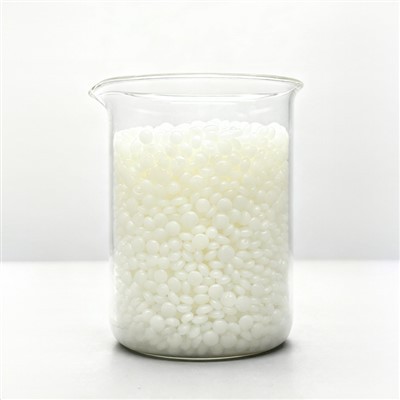
If you’re in the market for a reliable weak cationic softener, I’d love to have a chat with you. Whether you’re a large – scale textile manufacturer or a small – business owner, we can find the right solution for your needs. Just reach out, and we can start discussing how our products can benefit your operation.
References
- Textile Chemistry: Fundamentals and Applications, by John W. S. Hearle
- Environmental Impact of Textile Chemicals, edited by R. J. Christopher
Pretreatment Auxiliaries So, don’t hesitate to drop me a line if you have any questions or are interested in a purchase. Let’s work together to make your products softer and more appealing!
Nanfeng Dasun Technology Co., Ltd.
As one of the leading weak cationic softener manufacturers and suppliers in China, we offer a wide range of products with superior quality for industrial. Please rest assured to buy bulk weak cationic softener made in China here from our factory. Contact us for more details.
Address: Nanfeng Industrial Park, Nanfeng County, Fuzhou City, Jiangxi Province, China
E-mail: Inquiry@honechem.com
WebSite: https://www.honechem.org/
