If you’re a rice combine harvester owner or operator, you know that the off-season—whether that’s a few months after harvest wraps or an extended period between growing cycles—isn’t just a break from the field. How you store your machine during this time will directly impact its performance, longevity, and your bottom line when it’s time to get back to work. As a rice combine harvester supplier with over 12 years of equipping farms across the Midwest and Southeast, I’ve seen too many machines ruined by rushed, careless storage that leads to costly breakdowns come planting or harvest season. Let me walk you through the practical, science-backed steps we recommend to keep your harvester in top shape all offseason. Rice Combine Harvester
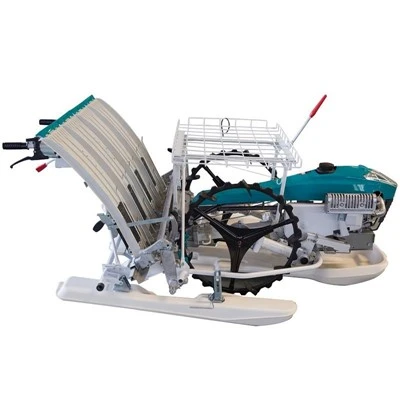
First, timing matters. The worst thing you can do is push storage off for weeks after the last load of rice is unloaded. Even a quick field run before storage can leave hidden debris—rice stalk fragments, husk dust, or even wet grain—trapped in hard-to-reach areas, and those materials will absorb moisture, foster rust, and attract pests if left unattended. The ideal window is within 72 hours of finishing harvest. That’s when the machine is still warm enough to help evaporate remaining surface moisture, and any last-minute issues are fresh on your mind.
The first critical step is a deep, thorough cleaning. Rice combine harvesters are complex machines, with dozens of crevices, augers, and conveyor belts where debris can hide. Start with the exterior: use a pressure washer set to low pressure (no more than 1,500 PSI) to avoid damaging seals, wiring, and delicate parts like the header’s cutting edges. Pay extra attention to the undercarriage, the grain tank’s interior, and the area around the sieves and fan in the separating system—husk dust here is notorious for clogging filters and causing overheating when you restart the engine. Don’t forget the cab interior: wipe down plastic and metal surfaces, remove any food wrappers or tools, and leave the windows cracked slightly to prevent mold, especially in humid regions.
Once the machine is clean, turn your attention to the engine and fuel system. This is where most off-season damage happens, and it’s also the easiest to prevent. Old fuel (more than 30 days) can break down into varnish and gum that clogs fuel injectors, carburetors, and fuel lines—issues that can cost thousands of dollars to repair. Our team recommends two options for protecting the fuel system: either run a fuel stabilizer through the tank before storage, or drain the entire fuel system completely if you’re storing the machine in a very cold climate. If you use a stabilizer, follow the manufacturer’s ratios—for most modern diesel engines, that’s one ounce of stabilizer per 10 gallons of fuel. Run the engine for 10 to 15 minutes after adding the stabilizer to make sure it circulates through the entire fuel system, not just the tank. For the engine itself, change the oil and oil filter before storage. Used oil has acid and contaminants that corrode internal engine parts over months of inactivity. After changing the oil, start the engine and let it idle for a few minutes to make sure the new oil coats all moving parts.
Next, protect the hydraulic system, which is often overlooked. Rice combine harvesters rely on hydraulics to operate the header, augers, and grain unloading systems. Moisture and contaminants in hydraulic fluid can cause corrosion and reduce hydraulic efficiency. Start by checking the fluid level and color—if it’s dark or cloudy, it’s time to change the hydraulic filter and fluid. Top off the fluid to the correct level, and operate all hydraulic controls slowly, moving them through their full range of motion, to ensure the fluid circulates properly through all lines and cylinders. Don’t leave hydraulic cylinders extended or retracted during storage: extend them halfway, then lock them if possible, to prevent seal damage from prolonged pressure on one side.
Now, address electrical and battery care. A dead battery is one of the most common headaches when restarting a harvester in the spring. Never leave a battery connected during storage—parasitic drain from the engine’s ECU, lights, and other electronics will kill it over time. Remove the battery, clean the terminals with a wire brush to remove corrosion, and store it in a cool, dry place. If you have space, use a battery maintainer (also called a trickle charger) to keep it at a full charge without overcharging. If you don’t have a maintainer, charge the battery fully every 30 to 45 days during storage to prevent sulfation, a permanent damage that ruins battery plates. For the machine’s electrical system, inspect all wiring for fraying, corrosion, or exposed insulation, especially around the undercarriage and engine bay. Tape or replace any damaged wiring, and cover electrical connectors with dielectric grease to prevent moisture buildup.
After servicing the core systems, prepare the body and external parts to prevent rust. Rice harvesters spend most of their working season in damp fields, so bare metal is highly susceptible to rust during storage. Start by sanding any small rust spots on the frame, header, or augers, then apply a rust-inhibiting primer and a matching topcoat. For moving parts like chains, sprockets, and cutting blades, apply a heavy-duty grease or anti-seize compound. Don’t forget rubber parts: belts, hoses, and tires can crack and dry out if exposed to sun and extreme temperatures. Cover belts and hoses with plastic or a protective sleeve, and check tires for proper inflation—underinflated tires can develop flat spots that become permanent when left unused for months. If you’re storing the machine outside, cover it with a breathable, UV-resistant tarp—never use a plastic tarp, as it traps moisture and causes mold or rust on the body. If possible, store the harvester in a covered space like a barn or equipment shed, which adds an extra layer of protection from the elements.
Pest control is another often-missed step that can save you a lot of trouble. Rodents, birds, and even insects love to nest in the warm, undisturbed interior of a harvester engine bay, cab, or grain tank during the offseason. Mice will chew through wiring, hoses, and seat cushions, and their urine can cause corrosion that’s hard to detect. To prevent this, seal all small openings around the engine, cab, and grain tank with steel wool—rodents can’t chew through steel wool, so it’s a safe, effective barrier. Place rodent bait stations around the storage area, not directly on the machine, to keep pests away. If you’re storing multiple machines, use ultrasonic pest repellents in the storage space to deter insects and rodents.
Finally, document the storage process and do a final check. Keep a notebook or digital log of all the work you did: when you changed the oil, how much fuel stabilizer you added, the battery’s charge level, and any small issues you noted (like a loose belt or a slow hydraulic cylinder). This log will be invaluable when you’re ready to start the machine in the spring, as it gives you a clear record of what was done and what needs to be checked first. Do one final walkaround: make sure all windows are closed (except the cab vent you left cracked), the tarp is secure if stored outside, and all tools or loose items are removed from the cab or grain tank.
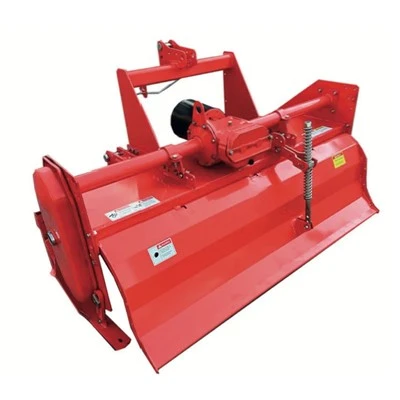
At our dealership, we see the difference between a properly stored harvester and one that’s rushed into storage every year. A harvester that follows these steps can last 5 to 10 years longer than one that’s neglected, saving you tens of thousands of dollars in replacement costs and downtime. If you’re preparing for offseason storage or have questions about servicing your rice combine harvester to get it ready for the off-season, our team of agricultural equipment experts is here to help. We offer full off-season service packages tailored to your machine, from deep cleaning and fluid changes to battery and tarp installation, so you can rest easy knowing your equipment is protected until harvest time. Reach out to our team to learn more about our storage and servicing solutions, and let us help you keep your rice combine harvester running for years to come.
Farm Tractor References
- American Society of Agricultural and Biological Engineers. Standard for Storage of Agricultural Machinery, 2021.
- International Society of Automation. Best Practices for Agricultural Equipment Electrical Maintenance, 2022.
- National Agricultural Statistics Service. Farm Equipment Longevity and Maintenance Trends, 2023.
- Combine Harvester Manufacturers Association. Off-Season Storage Guidelines for Rice Combines, 2020.
- University of California Agriculture and Natural Resources. Post-Harvest Equipment Care for Small and Mid-Size Farms, 2022.
Huzhou Liangyi Agro Machinery Co., Ltd.
As one of the most professional rice combine harvester manufacturers and suppliers in China, we have world-leading production equipment and strong manufacturing capabilities. Please rest assured to wholesale advanced rice combine harvester from our factory. Contact us for more cheap products.
Address: High-Tech Industrial Zone, Huzhou City, Zhejiang Province, China
E-mail: Liangyi_agro@126.Com
WebSite: https://www.cnliangyi-agro.com/
