Let me start by saying this: if you think a low-bed semi-trailer is just a “one-size-fits-all” big metal box for hauling heavy stuff, you’re low-key sleeping on what these things can do. As someone who’s been in the low-bed semi trailer game for years—building them, tweaking them, listening to every single dumb, specific request from guys out there hauling weird, oversize loads—I’m here to tell you: yes, you can definitely modify these trailers for specific applications. And not just “poking a hole in the side” modifications, either. We’re talking science-backed, practical tweaks that don’t make the trailer fall apart on the highway, get you pulled over for illegal load dimensions, or cost you more in repairs than you saved. Low-bed Semi Trailer
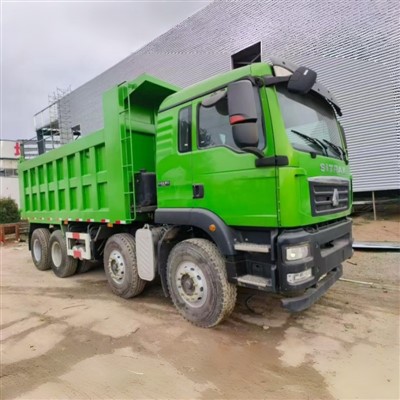
First, let’s get one thing straight: low-bed semi trailers exist for a reason. They’re built with that lower deck (hence the “low-bed” name) to haul super tall or heavy stuff that a regular flatbed can’t—think construction equipment, wind turbine blades, prefabricated building parts, even oversized industrial machinery. But “super tall or heavy” covers a million different use cases, right? A farmer hauling a 40-foot hay baler isn’t dealing with the same problems as a energy company moving a 120-foot wind turbine blade. A construction crew hauling a mini excavator across the state has different needs than a salvage yard moving a busted 10-ton bulldozer. So of course the base trailer can’t do all of that. That’s where modifications come in.
Let me run through some real, not-made-up examples from our shop to prove this. Last year, we had a call from a road construction company in Texas. They were hauling those big, modular concrete road barriers—you know, the tall plastic or concrete ones they use to close lanes for repairs. The problem? The standard low-bed’s stake pockets (those little metal slots along the side for tying down stuff) were in the wrong spot. Every time they loaded a barrier, it stuck up way too high over the trailer’s deck, pushing them over the legal height limit (most U.S. states cap trailer loads at 13.6 feet, right?) and risking a $500+ ticket per stop. So what did we do? We modified the stake pockets. We moved them 18 inches inward toward the trailer’s center, and we swapped the standard 4-inch tall pocket sleeves for 6-inch low-profile ones that sit flush with the deck. It sounds simple, but we had to run a computer load stress test first—no joke, that’s how we do things—because moving those pockets changes how the weight distributes on the frame. The result? They could stack two barriers side by side without hitting height limits, and they saved an average of $2,000 a month in tickets. That’s not a gimmick. That’s a modification that directly solved a real problem for their specific application.
Another one: a renewable energy client up in Minnesota was hauling wind turbine nacelles—those big, boxy generators that sit at the top of the turbine tower. Each nacelle weighs like 65,000 pounds, and it’s super wide, like 12 feet across. The problem? The standard low-bed’s side rails were only rated for 8 feet of load width, and their load binders kept slipping because the nacelle’s metal frame was too smooth to grip. So we didn’t just add longer side rails (which would have thrown off weight distribution). We modified the trailer’s subframe to include reinforced, adjustable side extensions that lock into place with heavy-duty pins. Those extensions are only 10 feet tall, so they don’t add to the overall load height, and we added rubberized grip pads on the deck where the nacelle sits. Again, we did finite element analysis to make sure the subframe could handle the extra weight of the extensions plus the 65k-lb nacelle—no bending, no cracking, nothing that would make them crash on I-94 in winter. The tweak let them carry the nacelles without special permits for overwidth loads (which cost like $1,500 per state per load) and cut their trip time by 3 days. That’s the kind of modification that makes sense for a specific job, not just a random upgrade.
Wait, but let’s talk about the stuff people get wrong. There are a lot of “mods” out there that are just shortcuts, and they end up biting people in the ass. For example, some guys will just weld on a extra set of axles to haul more weight, right? But if you don’t adjust the trailer’s suspension to match the new axles, or you don’t re-calibrate the braking system, you’re a sitting duck on wet roads. Last year, we got a guy calling us in a panic because he modified his trailer with extra axles to haul a 100k-lb excavator, and his brakes locked up on a highway exit in Ohio, sliding into a guardrail. Totaled his trailer, totaled the excavator, and he’s now on the hook for $80k in damages. That’s why when we do modifications, we don’t just weld stuff on. We start with the specific application’s specs: how much weight they’re hauling, the dimensions of the load, what roads they’re taking (city highways vs. rural backroads), how often they’ll load/unload (does this trailer need to be quick for a contractor who’s bouncing between job sites?), even the weather conditions in their area. For cold states, we’ll add heated deck plates to keep snow and ice from sticking, so heavy equipment doesn’t slide off when they’re backing up on icy ground. For mountainous areas, we’ll modify the trailer’s weight distribution system to reduce sway when going up steep grades—no more fishtailing with a 50k-lb load.
Let’s also talk about something a lot of people don’t consider: time. For businesses, time is money. A construction company that needs to haul materials to 3 different job sites in a week doesn’t have 2 days to spend loading and unloading. So we’ve modified some trailers with flip-up goosenecks that let the deck lower even more, so they can load oversized equipment (like a 14-foot tall bulldozer) without using a forklift or a crane. That means a 10-minute load time instead of an hour. We did this for a landscaping company in Florida that hauls big tree spades (those big machines that dig up whole trees for moving) and they cut their monthly labor cost by 15% because their drivers don’t have to wait around for a crew to help load. That’s a modification tailored exactly to their specific workflow, not just their load size.
Now, I know what some of you are thinking: “This sounds expensive. Why not just buy a trailer built for that exact job?” Fair question. But here’s the thing: most small to mid-sized businesses can’t afford to buy a whole new trailer every time their load needs change. A standard low-bed is like a blank slate, and modifications usually cost way less than a new trailer. For example, the stake pocket mod we did for the Texas road crew? It cost them $1,200, which is way less than the $2,000 they were paying in monthly tickets. The side extension mod for the wind energy company? We charged them $3,500, which saved them $18,000 in permit fees in their first year alone. Mods are cost-effective, flexible, and let you adapt your trailer as your business grows. If a construction company starts doing more solar installation next year, they can modify the same trailer to haul solar panel arrays instead of concrete barriers—no need to drop $80k on a new trailer.
But here’s the rule we live by at our shop: every modification has to be safe, legal, and practical. We don’t cut corners, and we don’t do mods that would get a customer pulled over or hurt. That’s why all our modifications go through a third-party load test before we hand over the trailer. We send it to a lab that simulates real highway conditions—bumpy roads, heavy braking, sharp turns—and we make sure the trailer doesn’t flex more than 2 inches (that’s the industry safety limit). We also check with state transportation departments to make sure the modified trailer stays within legal weight and dimension limits, so our customers don’t have to deal with the hassle of permits or tickets.
Let’s wrap this up. The short answer to “Can a low-bed semi-trailer be modified for specific applications?” is a resounding HELL YES. Whether you’re hauling concrete barriers, wind turbine parts, farm equipment, or anything in between, there’s a science-backed, practical modification that will make your trailer work exactly how you need it to. No more overpaying for permits, no more damaged loads, no more wasting time loading/unloading. It’s all about tweaking the trailer to fit your job, not the other way around.
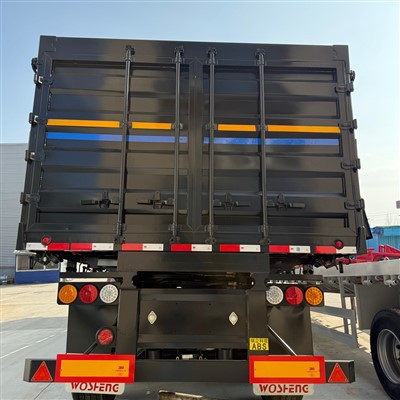
If you’re tired of your low-bed trailer being a one-trick pony, if you have a specific load or workflow that’s not working with your current setup, hit us up. We don’t do generic “one-size-fits-nothing” mods. We sit down with you, figure out exactly what you need, build a modification plan that fits your budget, and make sure it’s safe for the road. No fine print, no hidden fees, just a trailer that works for your business. Let’s make something that makes your next haul way less of a headache.
Crane References:
- Commercial Vehicle Safety Alliance. (2022). Overdimension and Overweight Load Guidelines for North American Highways. CVSA Publication.
- Society of Automotive Engineers. (2021). Load Distribution and Stress Testing for Heavy-Duty Trailers. SAE International Technical Paper.
- Federal Motor Carrier Safety Administration. (2023). Brake System Standards for Commercial Semi-Trailers. FMCSA Regulation 393.
- National Association of Trailer Manufacturers. (2022). Best Practices for Trailer Modifications and Compliance. NATM Industry Report.
- Texas Department of Transportation. (2023). Load Dimension and Weight Limitations for Commercial Vehicles. TXDOT Publication.
- Minnesota Department of Transportation. (2022). Wind Energy Transport Guidelines for Heavy Equipment. MnDOT Technical Brief.
- American Road & Transportation Builders Association. (2023). Modifications for Modular Road Barrier Transport. ARTBA Construction Safety Report.
- International Energy Agency. (2022). Transport Solutions for Wind Turbine Components. IEA Renewable Energy Transport Report.
- National Truck Equipment Association. (2022). Custom Trailer Modifications for Agricultural and Construction Applications. NTEA Industry Guide.
- Federal Highway Administration. (2023). Highway Sway Reduction for Heavy Commercial Vehicles. FHWA Technical Advisory.
Shandong Xinyang Special Purpose Vehicle Manufacturing Co., Ltd.
As one of the most professional low-bed semi trailer manufacturers and suppliers in China, we’re featured by quality products and good price. Please rest assured to buy cheap low-bed semi trailer made in China here from our factory. Contact us for more details.
Address: Quanpu Industrial Park, Liangshan County, Jining City, Shandong Province.
E-mail: ensonzhouau@gmail.com
WebSite: https://www.trustmytruck.com/
