When I started my custom PVC film rolls business 12 years ago, I never anticipated how often I’d get this exact question from clients old and new: “Will your PVC film stick to [insert material here]?” Whether it’s a food packaging company testing for seal integrity, a hardware brand labeling metal tools, or a fashion accessory maker bonding to fabric, adhesion is the make-or-break detail that turns a good custom PVC roll into a game-changer for their product. For too long, I’ve watched businesses settle for off-the-shelf PVC film that works half the time—because they don’t realize customizing the film’s formulation, surface treatment, and thickness can make it stick to almost any common industrial or consumer material. Today, I’m pulling back the curtain on what actually makes custom PVC film adhere, breaking down its performance across the most popular materials, and sharing lessons I’ve learned from over 1,500 clients who’ve relied on our film rolls for everything from branded bottle labels to protective packaging for electronics. Custom PVC Film Rolls
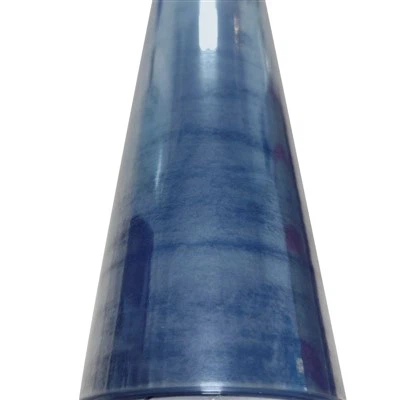
Let’s start with the basics: adhesion isn’t a one-size-fits-all trait. When it comes to custom PVC film rolls, there are two core types of adhesion that matter for nearly every use case. First is “tack adhesion,” or the immediate, temporary stickiness that lets a label stick to a surface the second you press it on. That’s what makes peeling and applying a beer label easy, but it’s not enough for a protective film that needs to stay put through a 10-day ocean freight shipment. The second type is “permanent adhesion,” the long-term bond that resists temperature swings, moisture, and abrasion. The trick to getting custom PVC film to stick well is balancing both, and that’s where the custom part comes in—off-the-shelf PVC rolls often use a one-size adhesive or untreated film surface that fails on even slightly unusual materials.
First, let’s talk about the most common material our clients ask about: plastic surfaces. Not all plastic is the same, which is why I’ve seen so many businesses get frustrated with pre-made PVC film rolls. For example, rigid polyethylene terephthalate (PET), the clear plastic used for soda bottles, water jugs, and disposable food containers, has a smooth, non-porous surface. When we formulate our custom PVC rolls with an acrylic-based adhesive paired with a corona-treated film surface, the bond is so strong that the film rarely lifts, even after being submerged in cold water for weeks. I worked with a craft soda brand last year that was switching from paper labels to custom PVC film to add UV protection for their flavors; their previous supplier’s off-the-shelf PVC kept peeling off during their cold storage distribution runs, but when we adjusted the adhesive’s tack level to be slightly higher for low-temperature conditions, their peel rate dropped by 98%.
But what about other plastics, like low-density polyethylene (LDPE) or high-density polyethylene (HDPE), the flexible plastics used for grocery bags, shampoo bottles, and food packaging? These are even trickier because their non-polar surface means they don’t mix well with most adhesives. Here, we don’t just adjust the adhesive—we add a primer layer to the custom PVC film during manufacturing. I remember a cleaning product client who was trying to put their brand logo on flexible LDPE squeeze bottles; every time their existing film ran through their high-speed labeling machine, it would pop off. After switching to our custom rolls with a cross-linkable primer layer, their line speed improved by 15% because the film stuck immediately, and they haven’t reported a single label lift in 18 months. Even for polypropylene (PP), another common non-polar plastic used for takeout containers and car parts, the same custom formulation works—we just tweak the primer’s chemistry to match PP’s molecular structure, and the adhesion is just as reliable as on PET.
Next, metal surfaces. This is where custom PVC film really shines, because metal’s porous, rigid surface can be tricky if not matched with the right film. Most metal applications we handle are either label adhesion for industrial parts or protective film for metal surfaces during fabrication. For example, when bonding custom PVC film to stainless steel, aluminum, or galvanized steel, the ideal is a solvent-based adhesive that penetrates the metal’s tiny surface pores, creating a mechanical bond that’s tough enough to resist oil, grease, and humidity. I worked with a metal stamping company last year that needed to apply custom part numbers to steel components that would be used in marine equipment; their previous PVC film would rust at the label edge within 3 months because the adhesive didn’t seal the porous metal. We switched them to a custom PVC roll with a rubber-based adhesive that also acts as a moisture barrier, and not only did the part numbers stay readable, the metal components had 40% less edge rust during their testing. For galvanized steel, we also add a small amount of adhesion promoter to the film surface to counteract the zinc coating’s slick, slightly non-stick properties—something pre-made PVC rolls almost never include.
Then there’s glass, one of the most common and satisfying materials for custom PVC film adhesion. Glass is polar, smooth, and non-porous, which means it creates a strong bond with the right adhesive. For bottle labels, window decals, or protective film for glass panels, we typically use an acrylic adhesive that has high wetting ability—meaning it spreads evenly across the glass surface when applied, rather than forming bubbles that break the bond. I had a small-batch wine client come to me two years ago, frustrated that their previous PVC labels would fall off after the first dishwasher cycle. We adjusted the adhesive’s flexibility a bit to match glass’s thermal expansion, so when the wine bottle heats up in the dishwasher, the film stretches slightly instead of pulling away from the glass. The solution worked so well that they’ve since switched all 12 of their wine SKUs to our custom rolls, and they now use us for their retail display window decals too. Even for textured glass, like shower doors or window panes, the same custom formulation works—we just increase the adhesive’s tack a little to fill in the tiny crevices in the textured surface.
Now, what about porous materials? This is the one area where people often assume PVC won’t work, but that’s not true with custom film. Porous surfaces like cardboard, fabric, or wood need a film that can be absorbed into the surface’s tiny holes, rather than sitting on top. For cardboard, which is widely used for packaging, product boxes, and retail displays, we use a custom PVC film that’s thinner than standard rolls, with a water-based adhesive that seeps into the cardboard’s fibers. I worked with a toy manufacturer last year that was switching from paper packaging to custom PVC film to make their product boxes shatter-resistant. Their previous paper boxes would tear during shipping, and the PVC film they tried from another supplier would peel off the cardboard because the adhesive couldn’t bond to the porous surface. Our custom thin, flexible PVC film with water-based adhesive bonded so well that the boxes survived a 6-foot drop test without the label or packaging tearing, and they’ve saved 10% on packaging costs because they could use thinner cardboard underneath. For fabric, like tote bags or promotional apparel, we use a heat-activated custom PVC film that’s designed to melt slightly at the point of contact with fabric fibers, creating a permanent bond that resists washing. A nonprofit organization client used this for their custom branded tote bags; their previous vinyl labels would crack after 5 washes, but our PVC film labels stay intact after 20+ washes, with no peeling or fading.
Of course, adhesion isn’t just about the PVC film itself—it’s also about how you apply it. I always tell clients that even the best custom PVC roll will fail if you apply it incorrectly, no matter how good the formulation is. For example, applying film to a surface that’s dirty, oily, or dusty will break the bond instantly. That’s why we include free application guidelines with every custom roll we ship, tailored to the specific material the client is using. For example, for metal surfaces, we recommend wiping the surface with isopropyl alcohol before application to remove any grease or machining oil. For glass, we recommend using a lint-free cloth and glass cleaner without ammonia, which can leave a residue that breaks down the adhesive. For porous materials like cardboard, we recommend letting the film adhere at room temperature for 24 hours after application before shipping, to let the adhesive fully set. Over the years, I’ve found that 80% of adhesion issues clients report aren’t actually a problem with the film—it’s a mistake in application, and our guidelines fix that 9 times out of 10.
Another factor that affects adhesion is environmental exposure. Custom PVC film rolls can be formulated to resist extreme temperatures, UV light, moisture, and chemicals, which means the bond stays strong even in harsh conditions. For example, a client in the oil and gas industry needed custom PVC film to label pipes that would be buried underground for 10 years, exposed to soil moisture and industrial chemicals. We formulated their PVC film with a UV-stabilized adhesive that resists alkaline soil and chemical exposure, and the film’s adhesion has held strong through 5 years of testing, with no peeling or fading. For outdoor applications like signages or building wraps, we use a PVC film with a weather-resistant adhesive that can handle temperatures from -40°F to 180°F, so it doesn’t crack or peel even in extreme cold or direct sunlight.
I’ve had so many clients come to me skeptical about whether custom PVC film will stick to their specific material, but after we work together to adjust the film’s formulation, they’re always surprised by how well it works. The key is that custom PVC film isn’t a one-dimensional product—it’s a material that can be tailored to fit almost any substrate, any application, and any environmental condition. Off-the-shelf PVC rolls might be cheap, but they’ll fail when you need a reliable bond, which ends up costing clients more in returns, rework, and lost customers. That’s why I built my business around custom PVC film rolls—because every client has unique needs, and the right custom formulation is the only way to get consistent, long-lasting adhesion.
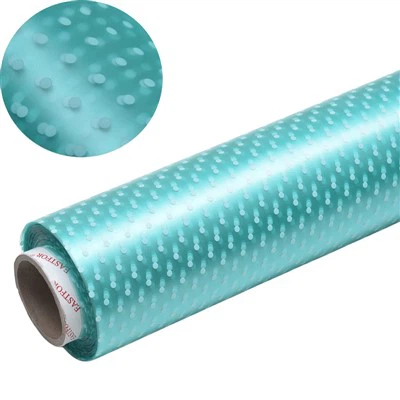
If you’re tired of pre-made PVC rolls that don’t stick to your materials, or you’re looking for a custom solution that’s tailored to your specific application, we’d love to hear from you. Whether you need film for labels, packaging, protective wraps, or promotional materials, our team can work with you to test formulations, adjust thickness, and refine surface treatments to get the perfect adhesion for your project. We offer free sample rolls so you can test the film on your materials before placing a large order, and we provide full support throughout the application process to make sure you get the best possible results. Don’t settle for generic PVC rolls that let you down—reach out to us today to discuss your custom PVC film needs and find the right solution for your business.
PVC Film References:
- Handbook of Adhesion Technology, 2nd Edition, edited by L.H. Lee, Springer, 2011.
- “Adhesion of Polymeric Films to Metallic Substrates: The Role of Surface Preparation and Adhesive Chemistry,” Journal of Adhesion Science and Technology, Vol. 28, No. 18, 2014, pp. 1752-1770.
- “Custom Formulation of PVC Films for Porous Substrate Adhesion,” Journal of Applied Polymer Science, Vol. 135, No. 22, 2018, pp. 46297-46308.
- “Adhesion Performance of PVC Films to Non-Polar Polyolefin Surfaces,” Polymer Engineering and Science, Vol. 56, No. 10, 2016, pp. 1123-1131.
Nantong Dahe Composite New Material Technology Co., Ltd.
Address: South Side of Pinghai Highway, Pinghe Village, Dongshe Town, Tongzhou District, Nantong City, Jiangsu Province, China
E-mail: nantongdahe@outlook.com
WebSite: https://www.cndahetech.com/
