Hey there, I’m Jake, and for the last 8 years, I’ve been on the ground side of home and personal care packaging—first troubleshooting stuff that leaks on store shelves, then helping brands make packaging that doesn’t sink their sustainability goals. I’ve talked to 100+ small to mid-range home care and personal care brand owners, and if there’s one thing we all agree on, it’s that packaging isn’t just a pretty wrap for your shampoo bottle or dish soap jug. It’s the first line of defense for your product, your customers, and even your bottom line. But here’s the thing: most folks only think about packaging until there’s a disaster—like a batch of hand soap that’s ruined on the shelf, or a social media post going viral about a leaky lotion bottle. That’s why I want to pull back the curtain on the not-so-glamorous risks of home and personal care packaging—stuff I deal with every single day as a packaging solutions supplier, no fancy jargon, just real-world stuff I’ve seen go wrong. Home & Personal Care Packaging Solutions
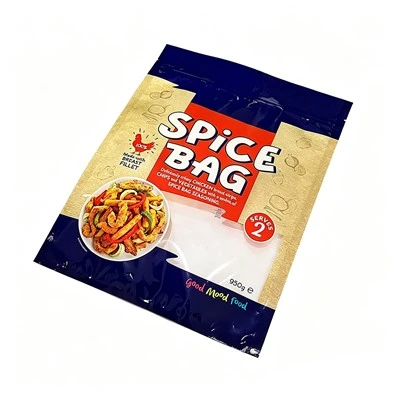
First up, and probably the most urgent for small brands: product integrity risks from crappy packaging materials and design. Last year, a local small bath brand I work with had a whole pallet of lavender body lotion go bad right before they were supposed to hit a farmers market tour. Turns out, their old packaging supplier used low-density polyethylene (LDPE) liners that didn’t mix with the lotion’s natural essential oils—over 2 weeks, the oils broke down the liner, leached into the lotion, and turned it cloudy. By the time we caught it, 3 cases were ruined, and they lost $2,000 in pre-order deposits. That’s not an isolated case, either. A 2023 FDA report on personal care product recalls found that 18% of voluntary recalls that year were tied to packaging failure, not the product itself. The big brands have whole teams testing for this, but small brands often cut corners by grabbing cheap packaging that’s “close enough” without checking chemical compatibility. I see this all the time—someone finds a 10-cent cheaper tube, doesn’t run a compatibility test, and then their whole product line’s on recall notice. Also, there’s the leakage angle: if a pump dispenser isn’t sealed right during manufacturing, or a screw cap has a broken thread, that’s a waste issue. One brand I helped a few months back had a 12% leakage rate on their dish soap when they first launched because their new supplier rushed the cap design to hit a deadline. Each leaking jug meant wasted product, upset retailers, and customers leaving bad reviews. It’s not just a hassle—it’s money down the drain before you even sell a single item.
Next, regulatory risks that’ll make your head spin if you’re not paying attention. The FDA, EU’s CE marking, even state-level rules like California’s Prop 65—these are non-negotiable, and packaging is part of the mix, not just the product inside. Let’s take Prop 65, for example. A few years back, a body scrub brand I worked with got a $12,000 fine because their plastic packaging used a phthalate stabilizer that wasn’t labeled. They had no idea—they just picked a generic plastic jug from a supplier, and the stabilizer triggered a Prop 65 warning. The worst part? They were a family-run brand with no compliance team, so they missed the check. Now, think about global brands: if you’re selling in both the US and EU, your packaging has to meet two completely different sets of rules. The EU’s Restriction of Hazardous Substances (RoHS) limits heavy metals in packaging, while the FDA has strict limits on what materials can touch food or personal care products. Even something as small as a printed label can trip you up—if the ink uses certain solvents, that’s a problem in some states. And non-compliance isn’t just fines—it’s getting your products pulled from shelves, bad press, and losing retailer accounts. I’ve seen a once-popular natural deodorant brand get dropped by Target because their packaging didn’t meet a new FDA labeling rule about allergen statements on the outer box. That’s the kind of hit that can sink a small brand.
Then there’s sustainability greenwashing risks—wait, hear me out, this is not just a buzzword anymore, and it’s dangerous if you’re not doing it right. Customers today demand eco-friendly packaging, but the FTC and EU’s Green Claims Directive are cracking down hard on false or misleading claims. Last year, the FTC fined a popular laundry detergent brand $1.5 million for claiming their “100% recyclable” bottle was actually only curbside recyclable in 12% of US counties. I worked with a brand that tried to jump on the “compostable” trend by using a plant-based plastic that only breaks down in industrial compost facilities—they thought it was great, but when a customer posted a photo of it in a residential landfill, calling it “fake green,” the brand’s sales dropped 30% in a month. The FTC’s Green Guides now require every sustainability claim to have solid data to back it up, and that data has to be specific—no vague “eco-friendly” or “planet-friendly” stuff. As a supplier, I can tell you this is a huge pain point for brands: they don’t have the time or resources to dig into the recyclability of every packaging material, so they either make claims that get them in trouble, or stick to generic packaging that doesn’t help their brand. The other angle here is consumer pushback if you’re not sustainable at all—millennials and Gen Z, who make up 70% of personal care buyers, will call you out on Instagram if your packaging is just regular plastic with no plan to recycle it. I’ve seen brands lose loyal customers overnight for using excessive plastic packaging when they marketed themselves as “zero-waste.”
Wait, let’s not forget supply chain risks—stuff that’s totally out of your control but still ruins your day, especially post-pandemic. The global packaging market’s been all over the place the last few years: resin prices spiked 25% in 2022, shipping delays for custom packaging can take 8-12 weeks, and even small suppliers go out of business if they can’t get materials. Last year, a natural skincare brand I work with had to delay their holiday launch because their custom glass jars came from a factory that had a fire in their main production line. They tried switching to a new glass supplier, but that meant re-testing the jars for compatibility with their serum, which pushed the launch back 6 weeks, and they missed the holiday window entirely. It’s not just delays either—price volatility can kill profit margins. If you locked in a contract for packaging at 20 cents a unit, but the supplier’s resin costs go up, they might try to hike the price on you, or cut corners on materials to save money. And if you’re a small brand with low volume, big packaging suppliers might not even prioritize your orders—you’re just another number to them, so if they have a big order from a national brand, yours gets pushed back. I’ve seen brands lose major retailer partnerships because their packaging didn’t arrive on time for a launch, and that’s hard to bounce back from.
Another big one: operational and customer experience risks that hit your bottom line slowly but surely. Think about dispensers that clog, labels that peel off in the shower, or packaging that’s too big or too small. A shampoo brand I worked with had a pump bottle that would clog after 3 uses—customers left 1-star reviews saying “wastes half the bottle” and stopped buying. They didn’t test the pump with their shampoo’s viscosity first, so the thick formula would get stuck in the pump nozzle. Fixing that required switching to a more precision-engineered pump, which cost them an extra 2 cents per unit, but it cut customer complaints by 90%. Labels are another pain point: if you’re selling a body wash that gets wet in the shower, a cheap label will peel off, so customers don’t know how to use it, or think it’s a counterfeit. One brand I helped lost $50k in sales because their labels peeled off at a big Walmart launch—customers brought them back saying they couldn’t read the usage instructions, and Walmart threatened to drop them if it happened again. And don’t get me started on ergonomics: if a lotion bottle is too narrow to grip in the shower, or too heavy when full, customers will complain, and that’s a reason they’ll switch to a competitor. These seem like small stuff, but they add up to lost sales, bad reviews, and higher return rates.
Wait, I know what you’re thinking: “Jake, this all sounds like a nightmare. How do I avoid this without spending a fortune?” That’s where I come in, right? As a packaging solutions supplier, my whole job is to help brands navigate these risks without the headache. I’ve tested hundreds of materials, built relationships with reliable factories, and know exactly what red flags to look for before you make a big purchase. For example, instead of just grabbing the cheapest LDPE liner, I’ll run a free 2-week compatibility test with your product to make sure it doesn’t leach or break down. I also help with sustainability claims—we only use materials that have third-party recyclability certificates, so you don’t have to worry about greenwashing fines. And I keep backup suppliers on hand for every material I offer, so if one factory has a delay, we can switch to another in a week, not 6. I’m not a big corporate supplier with a call center—you call me directly, we talk about your product, your budget, and your goals, and I give you solutions that fit, not a one-size-fits-all package.
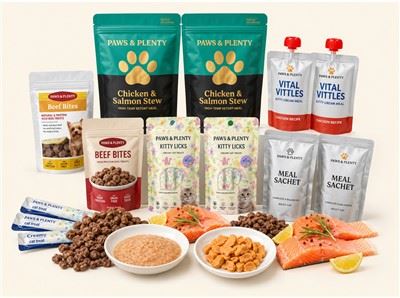
At the end of the day, packaging is more than just a container—it’s the first impression a customer has of your brand, it protects your product, and it keeps you in line with all the rules and expectations out there. The risks are real, but they’re not unavoidable. If you’re a brand owner tired of dealing with packaging leaks, compliance headaches, or supply chain delays, hit me up to chat. No sales pitch, no hidden fees, just a conversation about what you need and how we can make it work.
References
Medical & Pharmaceutical Packaging Solutions U.S. Food and Drug Administration. (2023). Voluntary Personal Care Product Recalls: 2022 Annual Report. Federal Register.
U.S. Federal Trade Commission. (2022). Green Guides Update: Guidance on Environmental Marketing Claims. FTC Bureau of Consumer Protection.
European Commission. (2023). Restriction of Hazardous Substances (RoHS) for Packaging Materials. EU Official Journal.
Qingdao Senlida Packing Co., Ltd.
Qingdao Senlida Packing Co., Ltd. is one of the most experienced home & personal care packaging solutions manufacturers and suppliers in China since 1995. With a professional production team, we are able to meet the needs of the majority of our customers. Please feel free to buy high quality packing products at competitive price from our factory.
Address: No.299 Feichao Road, Luwang Town, Huangdao District, Qingdao, Shandong Province, China.
E-mail: liuxh@qdsenlida.com
WebSite: https://www.senlidapacking.com/
