Hey there! I’m a supplier of shuttering forms, and over the years, I’ve seen firsthand how crucial it is to pick the right shuttering forms for a construction project. It’s not just about grabbing whatever’s on the shelf; it’s about making a choice that’ll save you time, money, and a whole lot of headaches in the long run. So, let’s dive into how you can choose the right shuttering forms for your next project. Shuttering Forms
Understanding Your Project Requirements
First off, you need to have a crystal – clear understanding of your project. What kind of structure are you building? Is it a residential building, a commercial high – rise, or maybe a small bridge? Different structures have different needs.
For residential buildings, speed and simplicity are often key. You might be looking at smaller projects with a relatively straightforward layout. Plyform shuttering can be a great option here. It’s affordable, easy to cut and shape on – site, and can be used for multiple pours if handled properly. I’ve had many clients working on single – family homes who swear by plyform because it helps them keep the costs down without sacrificing too much on quality.
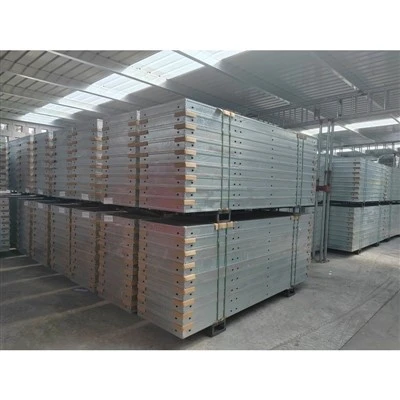
On the other hand, commercial high – rises are a whole different ballgame. These structures usually require high – strength and durable shuttering forms. Steel shuttering is a popular choice for these projects. It can withstand the high pressure of concrete pouring, is reusable for a large number of times, and provides a smooth finish to the concrete surface. I remember a client who was building a 20 – story office building. They initially considered plyform but switched to steel shuttering halfway through the project because they needed something more reliable for the upper floors, and it turned out to be a great decision.
If you’re working on an infrastructure project like a bridge, you’ll need shuttering forms that can take on the unique shape and load requirements. Custom – made forms are often necessary here. Fiberglass or plastic forms can be molded into complex shapes, which is ideal for bridge elements like arches and piers.
Considering the Budget
Let’s talk money. Your budget is going to play a huge role in your decision – making process. Like I said earlier, plyform is one of the most budget – friendly options. It’s relatively inexpensive to purchase, and the installation is quite straightforward, which means lower labor costs. However, it has its limitations. It won’t last as long as steel or some of the more high – end materials, so you might end up replacing it more often.
Steel shuttering is more expensive upfront. You’re looking at a higher initial investment for the forms themselves, and the transportation can also be a bit costly because steel is heavy. But in the long run, it can be more cost – effective. With proper maintenance, you can reuse steel forms hundreds of times, which spreads out the cost over many projects.
If you’re on a really tight budget, you might also consider renting shuttering forms. A lot of suppliers, including us, offer rental services. This way, you don’t have to worry about the upfront cost of purchasing, and you can return the forms after you’re done with the project.
Evaluating the Durability
Durability is super important. You want shuttering forms that can withstand the rigors of construction. I’ve seen projects where the forms started to break down halfway through the pour, and it was a total nightmare.
As I mentioned, steel shuttering is extremely durable. It can handle the high pressure of wet concrete without deforming easily. It’s also resistant to wear and tear, so it can be used again and again. But it does require some maintenance. You need to make sure it’s cleaned properly after each use and protected from rust.
Aluminum shuttering is another option when it comes to durability. It’s lightweight compared to steel, which makes it easier to handle and transport. It also has good corrosion resistance, which is great if you’re working in a coastal area or a place with a lot of moisture.
Plyform, while not as durable as steel or aluminum, can still last for multiple uses if it’s cared for correctly. You just need to make sure it’s not exposed to excessive moisture, as that can cause it to warp or delaminate.
Factoring in the Time Constraints
Time is money in the construction industry, right? So, you need to think about how quickly you can get the shuttering forms in place and how long they’ll take to remove.
Aluminum shuttering is known for its quick installation and removal. It’s lightweight, so it can be easily moved around the site, and the assembly process is usually faster compared to other materials. This can significantly reduce the overall construction time.
On the flip side, custom – made forms, especially if they’re made from complex materials like fiberglass, can take longer to produce. If you have a tight deadline, you might need to plan well in advance and work closely with your supplier to ensure they’re delivered on time.
Assessing the Quality of the Supplier
Now, this is where I come in! Choosing the right supplier is just as important as choosing the right shuttering forms. You want to work with someone who has a good reputation in the industry.
Look for a supplier who can provide you with high – quality products. At our place, we source our materials from reliable manufacturers and conduct strict quality checks before sending them out to our clients. We also have a team of experts who can offer technical support and advice.
Another thing to consider is the supplier’s inventory. You don’t want to be in a situation where you’ve got a project on the go, and the supplier runs out of the shuttering forms you need. A good supplier will have a large inventory to meet your project requirements, whether it’s a small job or a large – scale development.
Customer service is also a big deal. You want a supplier who can answer your questions promptly, address your concerns, and be flexible with your needs. At our company, we pride ourselves on providing top – notch customer service. We’re always here to help you make the right choice for your project.
Making the Decision
So, after considering all these factors, it’s time to make a decision. Sit down, weigh the pros and cons of each type of shuttering form based on your project requirements, budget, durability needs, time constraints, and the quality of the supplier.
If you’re still unsure, don’t hesitate to reach out to us. We’re happy to have a chat with you, understand your project in detail, and recommend the best shuttering forms for you. We’ve been in this business for a long time, and we’ve helped countless clients make the right choices.
Frame Scaffolding If you’re interested in discussing your shuttering form needs further, feel free to get in touch. Whether you want to talk about purchasing or renting, we’re here to work with you. We want to be your go – to partner for all your shuttering form requirements. Contact us today, and let’s start working on your project!
References
- "Construction Materials and Methods" by Ammar S. Al – Haddad.
- "A Guide to Formwork in Concrete Construction" by the American Concrete Institute.
- Industry reports from well – known construction research firms.
Rizhao Wellfit Scafform Co., Ltd.
Address: No. 7, Huasheng Road, Taoluo Town Industrial Zoon, Donggang District, Rizhao City
E-mail: sales@wfscafform.com
WebSite: https://www.wfscafform.com/
