Maintenance intervals for resistance furnaces are critical to ensure their optimal performance, longevity, and safety. As a seasoned supplier of resistance furnaces, I’ve witnessed firsthand the impact of proper and improper maintenance on these industrial workhorses. In this blog, I’ll delve into the key factors that determine maintenance intervals and offer guidelines to help you keep your resistance furnace in top shape. Resistance Furnaces
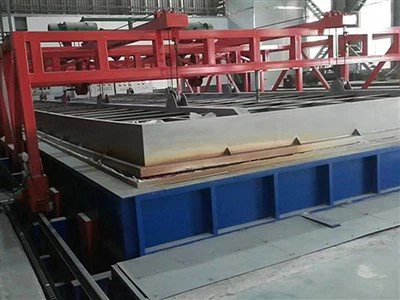
Understanding the Basics of Resistance Furnaces
Before we discuss maintenance intervals, it’s essential to understand how resistance furnaces work. These furnaces generate heat through electrical resistance. An electric current passes through a resistive element, such as a heating coil or ceramic heater, which converts electrical energy into heat. This heat is then used for various industrial processes, including metal melting, heat treatment, and sintering.
Resistance furnaces come in different types, such as box furnaces, tube furnaces, and vacuum furnaces, each with its own unique design and operating requirements. However, the fundamental principles of maintenance remain similar across all types.
Factors Affecting Maintenance Intervals
Several factors influence the maintenance intervals for a resistance furnace. Understanding these factors will help you tailor a maintenance schedule that meets the specific needs of your furnace and application.
1. Operating Conditions
The operating conditions of a resistance furnace play a significant role in determining maintenance intervals. Factors such as temperature, frequency of use, and the nature of the materials being processed can all affect the wear and tear on the furnace components.
- Temperature: Higher operating temperatures can accelerate the degradation of heating elements, insulation materials, and other furnace components. For example, in a high – temperature furnace operating above 1000°C, the heating elements may need to be inspected and replaced more frequently than in a low – temperature furnace operating below 500°C.
- Frequency of Use: Furnaces that are used continuously or frequently will experience more wear and tear than those used intermittently. Continuous operation can lead to thermal cycling, which can cause stress on the furnace components and reduce their lifespan.
- Nature of Materials Processed: The materials being processed in the furnace can also have an impact on maintenance intervals. For instance, if the furnace is used to process corrosive or abrasive materials, the interior lining, heating elements, and other components may be subject to more rapid deterioration.
2. Furnace Design and Quality
The design and quality of the resistance furnace also influence maintenance intervals. Well – designed furnaces with high – quality components are generally more reliable and require less frequent maintenance.
- Heating Element Design: The type and design of the heating element can affect its durability. For example, some heating elements are more resistant to oxidation and thermal shock than others. A furnace with a high – quality, well – designed heating element may have a longer maintenance interval.
- Insulation Quality: Good insulation is essential for energy efficiency and the protection of furnace components. High – quality insulation materials can reduce heat loss and protect the furnace structure from excessive heat, which can extend the lifespan of the furnace and reduce maintenance requirements.
3. Manufacturer’s Recommendations
The manufacturer of the resistance furnace provides specific maintenance guidelines and intervals in the user manual. These recommendations are based on extensive testing and experience with the furnace design. It is crucial to follow these guidelines closely to ensure the proper operation and longevity of the furnace.
General Maintenance Intervals
Based on the factors mentioned above, here are some general maintenance intervals for different components of a resistance furnace:
1. Heating Elements
- Visual Inspection: A visual inspection of the heating elements should be carried out monthly. Look for signs of damage, such as cracks, breaks, or excessive oxidation.
- Electrical Testing: Electrical testing of the heating elements should be performed quarterly. This will help detect any changes in resistance or other electrical characteristics that may indicate a problem.
- Replacement: The replacement interval for heating elements depends on the operating conditions. In a typical industrial environment, heating elements may need to be replaced every 6 – 12 months for high – temperature furnaces and every 12 – 24 months for low – temperature furnaces.
2. Insulation Materials
- Visual Inspection: Inspect the insulation materials monthly for signs of damage, such as cracks, gaps, or erosion.
- Thermal Efficiency Check: A thermal efficiency check should be performed semi – annually. This can help identify any insulation problems that may be causing excessive heat loss.
- Replacement: If the insulation materials are damaged or have lost their insulating properties, they should be replaced as soon as possible. Depending on the operating conditions, insulation materials may need to be replaced every 2 – 5 years.
3. Furnace Seals
- Visual Inspection: Check the furnace seals weekly for signs of wear, damage, or gaps.
- Seal Integrity Test: Perform a seal integrity test monthly. This can be done by checking for air leaks around the furnace door or other openings.
- Replacement: Replace the furnace seals if they are worn or damaged. Seals may need to be replaced every 6 – 12 months, depending on the frequency of use.
4. Control Systems
- Functional Check: Conduct a functional check of the control systems weekly. This includes checking the temperature controllers, timers, and other control devices to ensure they are operating correctly.
- Calibration: Calibrate the control systems annually to ensure accurate temperature control.
- Software Update: If the control system has software, check for software updates regularly and install them as recommended by the manufacturer.
Developing a Customized Maintenance Plan
To ensure the optimal performance of your resistance furnace, it is recommended to develop a customized maintenance plan based on your specific operating conditions and requirements. Here are the steps to develop a maintenance plan:
1. Evaluate Your Operating Conditions
Assess the temperature, frequency of use, and nature of the materials being processed in your furnace. This will help you determine the appropriate maintenance intervals for each component.
2. Review the Manufacturer’s Recommendations
Refer to the user manual provided by the furnace manufacturer for specific maintenance guidelines and intervals. Incorporate these recommendations into your maintenance plan.
3. Schedule Regular Inspections and Maintenance Tasks
Based on the evaluation of your operating conditions and the manufacturer’s recommendations, schedule regular inspections and maintenance tasks. Create a maintenance schedule that includes the date, task, and responsible person for each maintenance activity.
4. Keep Records of Maintenance Activities
Maintain detailed records of all maintenance activities, including inspections, repairs, and component replacements. These records will help you track the performance of your furnace, identify trends, and plan for future maintenance.
Conclusion

Proper maintenance of resistance furnaces is essential to ensure their optimal performance, longevity, and safety. By understanding the factors that affect maintenance intervals and following a customized maintenance plan, you can minimize downtime, reduce repair costs, and extend the lifespan of your furnace.
Resistance Furnaces If you’re in the market for a new resistance furnace or need advice on maintenance and repair, we’re here to help. Our team of experts has years of experience in the resistance furnace industry and can provide you with high – quality products and reliable technical support. Don’t hesitate to contact us to discuss your specific needs and find the best solution for your business.
References
- "Industrial Furnaces: Principles, Design, and Operation" by XYZ (Publisher’s Name, Year)
- Manufacturer’s User Manual for Resistance Furnaces
- Industry Standards and Guidelines for Furnace Maintenance
Zhejiang Changxing Qingfeng Electric Furnace Co., Ltd.
We’re well-known as one of the leading resistance furnaces enterprises in China, specialized in providing high quality customized service. Please feel free to buy discount resistance furnaces made in China here and get pricelist from our factory. For price consultation, contact us.
Address: No. 306, Wushangang, Lincheng Town, Changxing County, Zhejiang Province
E-mail: 13905822510@163.com
WebSite: https://www.qfdlindustry.com/
