In the dynamic world of interior design and construction, fit – out panels play a crucial role in transforming spaces into functional and aesthetically pleasing environments. As a seasoned fit – out panel supplier, I’ve had the privilege of witnessing firsthand the diverse range of panels available in the market and their applications in various projects. In this blog, I’ll delve into the different types of fit – out panels, their unique features, and the ideal scenarios for their use. Fit-out Panel
1. Gypsum Boards
Gypsum boards are one of the most commonly used fit – out panels in the construction industry. They are made from gypsum plaster, which is sandwiched between two layers of paper. These panels are known for their versatility, affordability, and ease of installation.
One of the key advantages of gypsum boards is their fire – resistance. They can help contain fires for a certain period, providing valuable time for evacuation and firefighting. This makes them a popular choice for commercial buildings, residential homes, and public spaces where fire safety is a top priority.
Gypsum boards also offer good acoustic insulation. They can reduce the transmission of sound between rooms, creating a more peaceful and private environment. This is particularly beneficial in offices, hotels, and hospitals.
In terms of installation, gypsum boards can be easily cut, shaped, and fixed to the framing structure using screws or adhesives. They can be finished with a variety of textures, such as smooth, textured, or patterned, to achieve the desired look.
2. Aluminium Composite Panels (ACP)
Aluminium composite panels consist of two thin aluminium sheets bonded to a non – aluminium core, typically made of polyethylene or fire – retardant materials. These panels are lightweight, durable, and offer excellent weather resistance.
ACP panels are widely used in exterior cladding applications due to their ability to withstand harsh environmental conditions. They can resist corrosion, UV radiation, and extreme temperatures, making them suitable for buildings in coastal areas or regions with high sunlight exposure.
In addition to their exterior use, ACP panels are also popular for interior fit – outs. They can be used to create feature walls, partitions, and decorative elements. Their smooth and sleek surface provides a modern and sophisticated look, and they are available in a wide range of colors and finishes to match different design styles.
Another advantage of ACP panels is their ease of maintenance. They can be easily cleaned with mild detergents and water, and their surface is resistant to scratches and stains.
3. Wood – Based Panels
Wood – based panels are a classic choice for fit – outs, as they add a warm and natural touch to any space. There are several types of wood – based panels, including plywood, medium – density fiberboard (MDF), and particleboard.
Plywood is made by bonding multiple layers of thin wood veneers together with the grain of adjacent layers running perpendicular to each other. This construction gives plywood its strength and stability. Plywood is commonly used for structural applications, such as flooring, roofing, and wall sheathing. It can also be used for decorative purposes, such as in-built furniture and cabinetry.
MDF is an engineered wood product made from wood fibers that are glued together under high pressure and temperature. It has a smooth and uniform surface, which makes it ideal for painting and veneering. MDF is often used for interior trim, moldings, and cabinet doors.
Particleboard is made from wood particles that are compressed and bonded together with resin. It is a more affordable option compared to plywood and MDF, but it is less strong and durable. Particleboard is typically used for non – structural applications, such as backing boards and shelving.
4. Glass Panels
Glass panels are a modern and elegant choice for fit – outs, as they can create a sense of openness and transparency. They are available in a variety of types, including clear glass, tinted glass, frosted glass, and laminated glass.
Clear glass panels are commonly used in areas where maximum visibility is required, such as storefronts, offices, and staircases. They provide an unobstructed view of the surrounding environment and allow natural light to penetrate deep into the space.
Tinted glass panels are designed to reduce the amount of sunlight and heat entering a building. They are often used in commercial buildings and homes located in sunny regions. Tinted glass can improve energy efficiency and reduce the need for air – conditioning.
Frosted glass panels offer privacy while still allowing light to pass through. They are a popular choice for bathrooms, conference rooms, and partitions. Frosted glass can be created by sandblasting, acid – etching, or applying a frosted film to the surface of clear glass.
Laminated glass is made by bonding two or more layers of glass together with a plastic interlayer. It is a safety glass that is designed to hold together when broken, reducing the risk of injury from sharp glass fragments. Laminated glass is commonly used in areas where safety is a concern, such as in doors, windows, and glass balustrades.
5. Metal Panels
Metal panels, such as steel, stainless steel, and copper, are known for their strength, durability, and modern appearance. They are often used in industrial and contemporary design projects.
Steel panels are strong and rigid, making them suitable for structural applications and heavy – duty use. They can be coated with a variety of finishes, such as powder coating or galvanizing, to improve their corrosion resistance.
Stainless steel panels are highly resistant to corrosion and staining, making them a popular choice for kitchens, bathrooms, and other areas where hygiene is important. They have a sleek and shiny surface that adds a touch of sophistication to any space.
Copper panels have a unique and attractive patina that develops over time, giving them a warm and rustic look. They are often used for decorative purposes, such as in feature walls, ceilings, and facades.
6. Fibre – Reinforced Plastic (FRP) Panels
Fibre – reinforced plastic panels are made by combining a plastic resin with reinforcing fibres, such as fibreglass. These panels are lightweight, strong, and resistant to corrosion and chemicals.
FRP panels are commonly used in applications where durability and hygiene are important, such as in food processing plants, hospitals, and laboratories. They can be easily cleaned and disinfected, and their smooth surface prevents the growth of bacteria and mold.
In addition to their industrial use, FRP panels are also used in architectural applications, such as in exterior cladding and interior partitions. They are available in a variety of colors and textures, and they can be shaped and formed to meet specific design requirements.
Ideal Applications and Considerations
When choosing the right fit – out panel for a project, several factors need to be considered, including the intended use of the space, the aesthetic requirements, the budget, and the environmental conditions.
For example, if the project is a commercial office building, gypsum boards may be a suitable choice for the interior walls and ceilings due to their affordability, fire – resistance, and ease of installation. Aluminium composite panels can be used for the exterior cladding to give the building a modern and professional look.
In a residential kitchen, stainless steel panels may be a good option for the backsplash due to their durability and easy – to – clean surface. Wood – based panels can be used for the cabinetry to add a warm and natural touch.
If the project is located in a coastal area, where the panels will be exposed to saltwater and high humidity, materials such as aluminium composite panels, stainless steel panels, and FRP panels are more suitable due to their corrosion resistance.
Conclusion
As a fit – out panel supplier, I understand the importance of choosing the right panel for each project. The diverse range of fit – out panels available in the market offers endless possibilities for creating unique and functional spaces. Whether you are an architect, interior designer, or contractor, I can provide you with high – quality fit – out panels that meet your specific requirements.
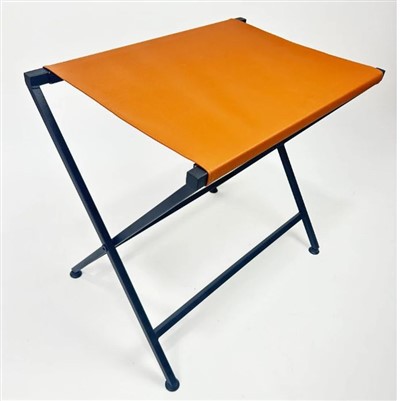
Hotel Fit-out Seating If you are currently working on a project and need assistance in selecting the right fit – out panels, or if you have any questions about our products, please feel free to contact me. I am always happy to discuss your project and provide you with professional advice and solutions.
References
- "Building Construction Handbook" by Edward Allen and Joseph Iano
- "Interior Design: An Introduction" by Suzanne Tucker
- "Materials for Architecture and Construction" by John P. Harris
Jiamei Wood Co., Ltd.
As one of the most professional fit-out panel manufacturers and suppliers in China, we also support customized service. Please feel free to wholesale cheap fit-out panel for sale here from our factory. For price consultation, contact us.
Address: Room 1802, No. 2nd, Kexing Road, Baiyun District, Guangzhou, Guangdong Province, China
E-mail: sq@jiameiwood.com
WebSite: https://www.jiameiwood.com/
