Hey everyone, I’m [no company name], and let’s cut to the chase—if you’re in the market for fire-resistant doors, you’ve probably heard the term “fire door assembly” thrown around a lot. But what the heck does that actually mean? It’s not just a heavy metal door; it’s a whole system that’s designed to do one super important job: slow fires down and give people time to escape. As someone who’s been in the fire-resistant door game for years, I see a lot of folks mix up a basic fire door with the full assembly, so let’s break this down like I’m chatting with you over coffee. Fire-resistant Door
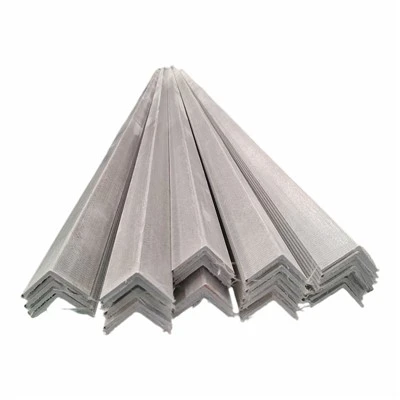
First off, a lot of people think the door itself is the only part that matters. Nope. The assembly is a complete set of components that work together to keep fire and smoke from passing through. Let’s list them out simple: there’s the door slab (that’s the big, thick panel you see), the frame it sits in, the hinges, the closer, the latches, and any special seals around the edges. Wait, there’s more—things like smoke seals, intumescent strips, and even hardware that’s rated for fire use. If one part is wrong or missing, the whole thing might fail when you need it most. I’ve seen that happen before, which is why we stress the assembly so much over just slapping a door in a frame.
Now, let’s get into the science part, no boring textbook stuff here. Fire doors aren’t just “strong”; they’re rated for specific amounts of time—like 20 minutes, 60 minutes, 90 minutes, or even 3 hours. That rating tells you how long the assembly can withstand fire heat (which can hit over 1,000 degrees F) and keep smoke from seeping through. The intumescent strips I mentioned? Those are key. They look like normal rubber or foam, but when they get hot, they expand to 50 times their original thickness, filling in gaps around the door. If there’s even a tiny gap, smoke and flames can push through in seconds—so those strips are non-negotiable.
The door slab itself is built to last. Most fire-resistant doors are made of solid core materials, like mineral wool or gypsum board, which don’t burn easily. Some are steel, which is great because steel doesn’t fuel fire, but it needs to be thick enough to hold up. If a steel door is too thin, it can warp under heat, and then you’ve got a gap where fire can get through. That’s why every part of the assembly has to be tested together—you can’t just take a door rated for 60 minutes and pair it with a random frame; they have to be certified as a matched set.
Wait, let’s talk about a common mistake I see contractors make. They’ll use regular hinges for a fire door. Big no-no. Regular hinges can melt or fail in a fire, which makes the door swing open or fall off, letting flames spread. Fire-rated hinges are made of materials that can handle heat, and they’re designed to keep the door aligned even when things get hot. Same with the closer—if the door doesn’t close all the way on its own, those intumescent strips won’t expand properly, and the smoke will leak through. It’s all interconnected, like a chain; if one link breaks, the whole chain is useless.
Now, why does this matter for you? If you’re a building owner, a contractor, or someone who just cares about keeping people safe, a fire door assembly isn’t just a code requirement. It’s a life-saver. Last year, I worked on a commercial building where a small kitchen fire started. The fire door between the kitchen and the office wing was a proper assembly—slab, frame, hinges, all sealed up. The fire department said without that door, the fire would’ve spread to the office area in 10 minutes instead of the 45 it took to put it out. That extra time let everyone evacuate safely, and no one got hurt. Stories like that stick with me, which is why I don’t cut corners on the assemblies we supply.
Let’s clarify some myths too. Some people think fire doors are only for commercial buildings. Nope—they’re needed in homes too, especially multi-unit apartments, townhouses, or homes with garages attached to living spaces. A fire door between the garage and the house is a small investment that can stop a garage fire from turning into a whole house fire. Another myth: all fire doors look the same. Wrong. There are different ratings for different spaces. A 20-minute door for a small utility closet isn’t the same as a 90-minute door for a stairwell in a high-rise. Picking the right rating for your space is crucial—we can help with that, by the way.
So, how do you know a fire door assembly is actually good? Look for certification. In the US, that’s usually a label from a recognized testing lab, like UL or Intertek. The label should be on the door slab, frame, or hardware, and it should match all the components. If you buy a door without certification, you can’t be sure it’ll work when you need it. I’ve had customers come to me with doors they bought online that looked like fire doors but weren’t certified—they ended up having to replace the whole thing, which cost way more than if they’d just gotten a proper assembly from the start.
Another thing to think about: installation. Even the best assembly won’t work if it’s put in wrong. If the frame isn’t plumb, or the door isn’t aligned right, there’ll be gaps that let smoke and fire through. That’s why we work with installers who know exactly how to fit each part of the assembly. We don’t just sell you a door and walk away—we make sure you have the info to get it installed correctly, because that’s part of the job.
Now, let’s circle back to why I’m talking about this. As a fire-resistant door supplier, my number one goal is to make sure people understand that a fire door assembly is a system, not just a single product. Too many companies just sell a door and call it a day, but that’s not how it works. We supply all the certified parts—door slabs, frames, hinges, closers, intumescent seals—so you don’t have to mix and match parts that might not work together. We test every assembly before it leaves our warehouse, so you know it’s going to do what it’s supposed to do in an emergency.
If you’re in the process of building, renovating, or just replacing old doors, don’t skip the fire door assembly part. It’s an investment in safety that pays off in the long run. Whether you’re a small business owner looking to meet code, a homeowner wanting to protect your family, or a contractor needing reliable products for a project, we can help you pick the right assembly for your space. We don’t do pushy sales—we ask questions, learn what you need, and guide you to the best solution.
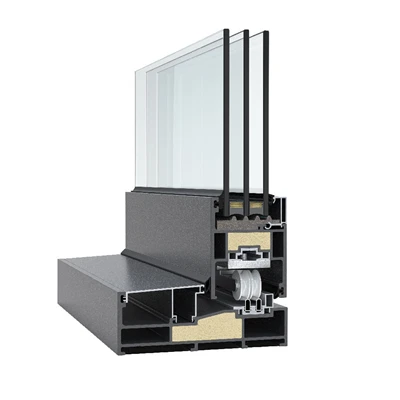
So, if you’re ready to stop guessing and get a fire door assembly that actually works, reach out to us to talk through your needs. No jargon, no hidden fees, just straight talk about keeping people safe. Don’t wait until it’s too late—fire moves fast, and having a proper assembly in place is the easiest way to slow it down.
Fire-resistant Door References:
- National Fire Protection Association. (2021). NFPA 80: Standard for Fire Doors and Other Opening Protectives.
- Underwriters Laboratories Inc. (2022). UL 10B: Standard for Safety for Fire Tests of Door Assemblies.
- International Code Council. (2023). International Building Code (IBC) Chapter 7: Fire and Smoke Protection Features.
Henan Enbuess Composite Materials Co., Ltd.
Henan Enbuess Composite Materials Co., Ltd. is one of the most professional fire-resistant door manufacturers and suppliers in China, also supports customized service. Please feel free to buy bulk durable fire-resistant door made in China here from our factory. Welcome to contact us for free sample.
Address: No.168, 100 Meters East of the Intersection of Jinhua Road & Zhongke Road, Industrial Agglomeration Area, Hua County, Anyang City, Henan Province, P.R. China
E-mail: leila.salesdir@enbuess.com
WebSite: https://www.enbuessfrp.com/
